

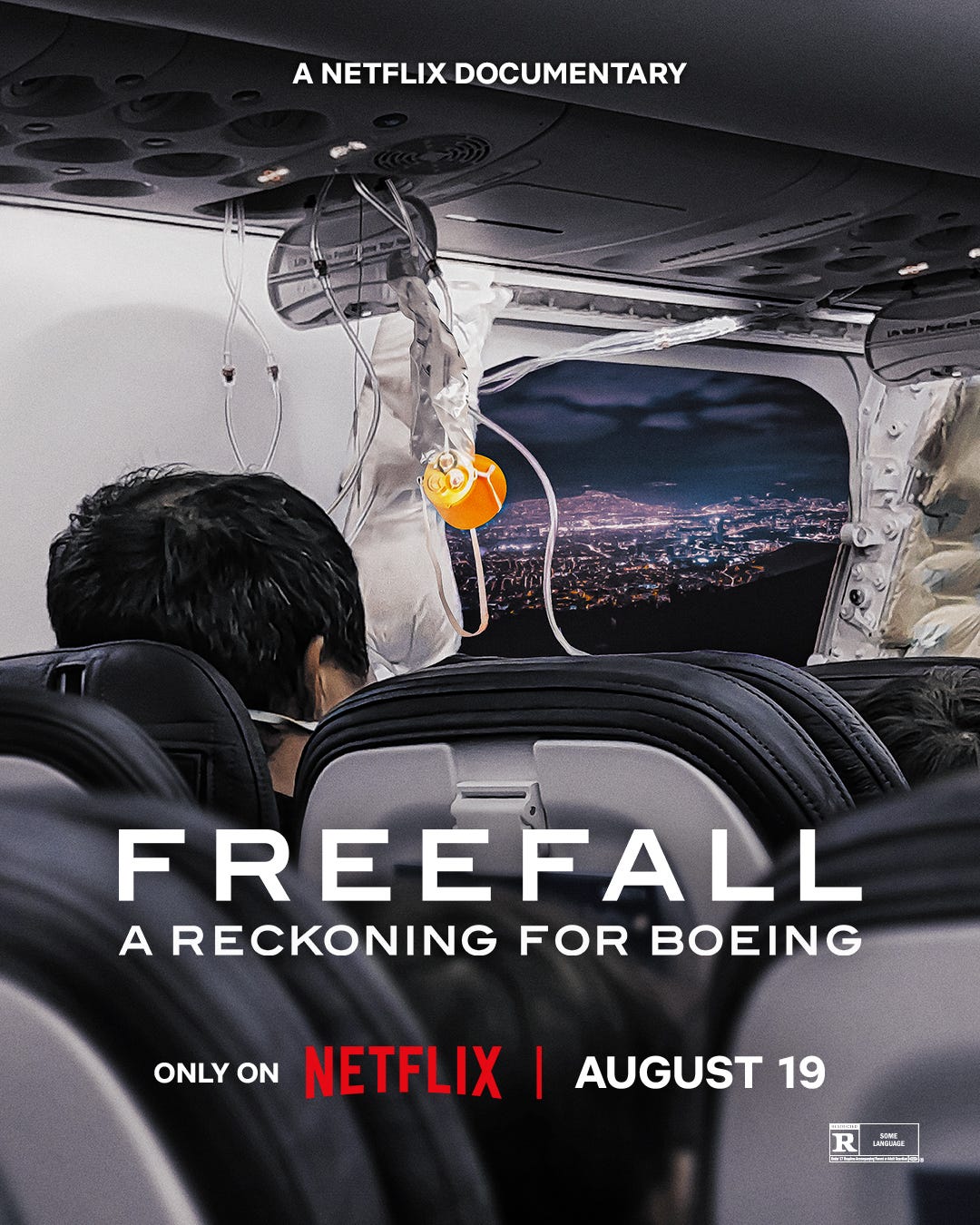
In this vHopeful conversation, I speak with the extraordinary filmmaker Rory Kennedy about Freefall: A Reckoning for Boeing, her urgent new documentary examining how a company once synonymous with engineering excellence and public trust came to place profit, production speed, and shareholder value ahead of safety. Returning to the Boeing story after her 2022 film Downfall: The Case Against Boeing, Rory follows the courage and cost borne by whistleblowers—including John Barnett—and the grieving families still demanding accountability after the 737 MAX crashes. We talk about the film’s propulsive investigative storytelling, the corporate culture that can punish expertise and truth-telling, the human stakes of regulatory failure, and why Boeing’s crisis is ultimately a reckoning not only for one company, but for the systems of power shaping American life.
Transcript lightly edited and fully vetted. Podcast available on Apple, Spotify or wherever you listen on this Substack or Ted’s Hope for Film
Vanessa Hope: I’m back with Rory Kennedy, who has two amazing feature documentaries out this year. The new one is called Freefall: A Reckoning for Boeing, and we’re going to get there. But I have to reintroduce Rory for those who missed our talk on Queen of Chess, which you should also see. Rory is an Academy Award–nominated, Primetime Emmy–winning documentary filmmaker whose more than 40 films make urgent, deeply reported work about power, war, democracy, leadership, and the human cost of institutional failure. Her films include Last Days in Vietnam, Ethel, Ghosts of Abu Ghraib, and the 2022 Netflix documentary Downfall: The Case Against Boeing. Her new film, Freefall: A Reckoning for Boeing, returns to that story through the people inside the company, especially whistleblowers confronting a corporate culture in which safety, truth-telling, and accountability can carry an unbearable price. Rory, thank you so much for being here.
Rory Kennedy: Great to be with you again, Vanessa.
Vanessa: And I know you’re on the road with the film right now, so we’re going to keep this focused, because we could talk about the subject forever. I woke up thinking about your film this morning and how, honestly, you could title it Freefall: A Reckoning for America. It is such a central story to what is happening in our country, in our world right now.
But let’s begin where you began, because you had this first film, Downfall, and then there was the Alaska Airlines door-plug blowout and John Barnett’s death. And you felt compelled to return not just to the story of Boeing planes, but to the culture inside the company. What happened there?
Rory: Yeah. Well, first of all, it’s great to be back with you. I so enjoyed our conversation a few weeks back on Queen of Chess, so I’m really happy to be talking with you now about Freefall: A Reckoning for Boeing.
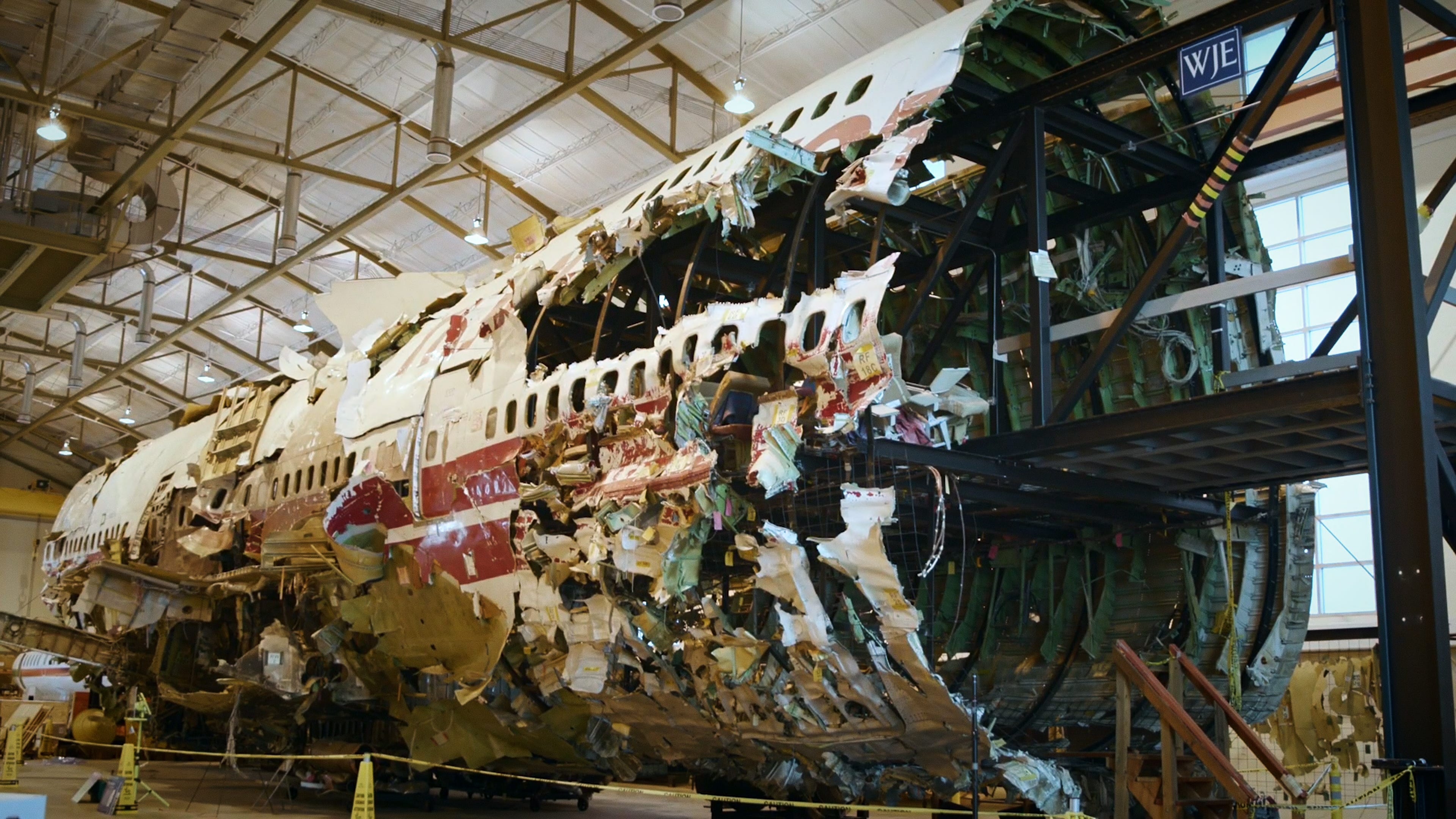
Yeah, I’ve never made a sequel before, but with Downfall, the film was really focused on the story of the 737 MAXs. It’s a new model of airplane from Boeing, and two airplanes crashed within five months of each other, killing 346 people.
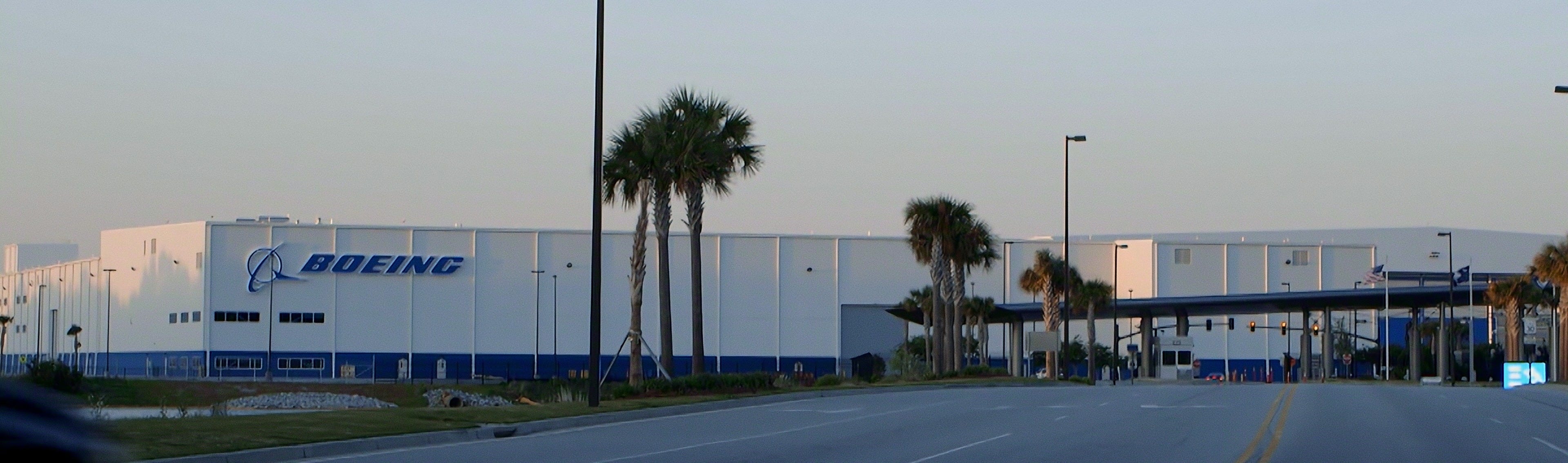
Initially, Boeing had targeted the pilots, but after investigations and whatnot, it became evident that Boeing had actually withheld evidence from the government and from the FAA, and plead guilty to doing that. And Boeing bore responsibility for the deaths of these 346 people and was then quite apologetic to the families, to Congress, to the airlines, to the flying public, and said, you know, “We’ve changed our ways, and safety is going to be at the utmost forefront of our new directive.”
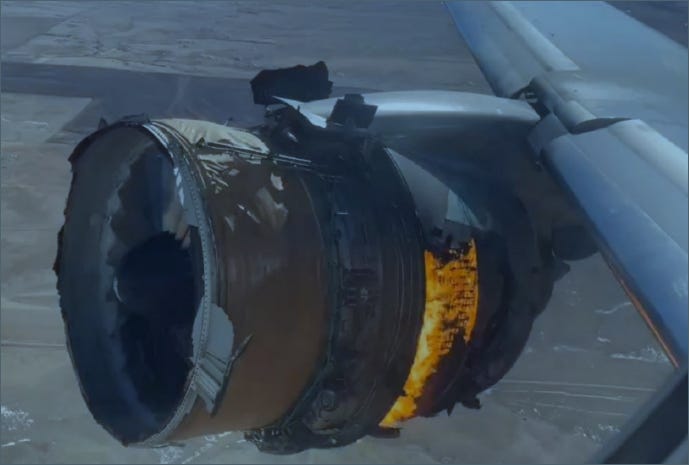
And what I found is that, in fact, they seemed to do that until the MAX got into the air. And then I started seeing both a number of incidents happening, and I’m sure you read these stories of engines lighting on fire mid-flight, landing gear falling off the airplane, smoke filling the cabins of another airplane, and then, of course, the door plug blowing out of a 737 MAX on Alaska Airlines. So, you know, that was very concerning to me.
And then John Barnett, who was a whistleblower, who I was friends with during the process of making Downfall, died while giving a deposition to Boeing. It was under very questionable circumstances, and the family was very concerned.
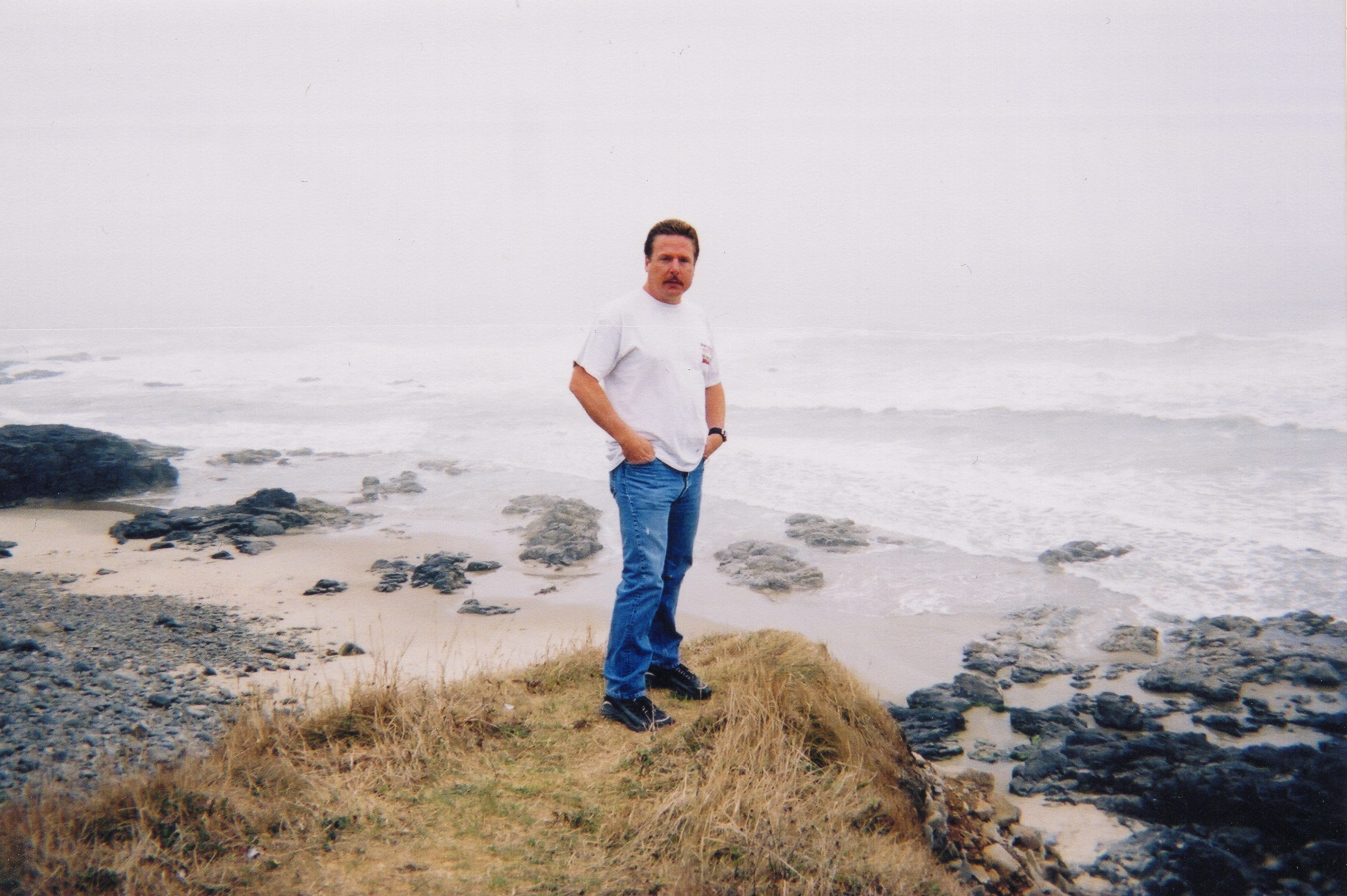
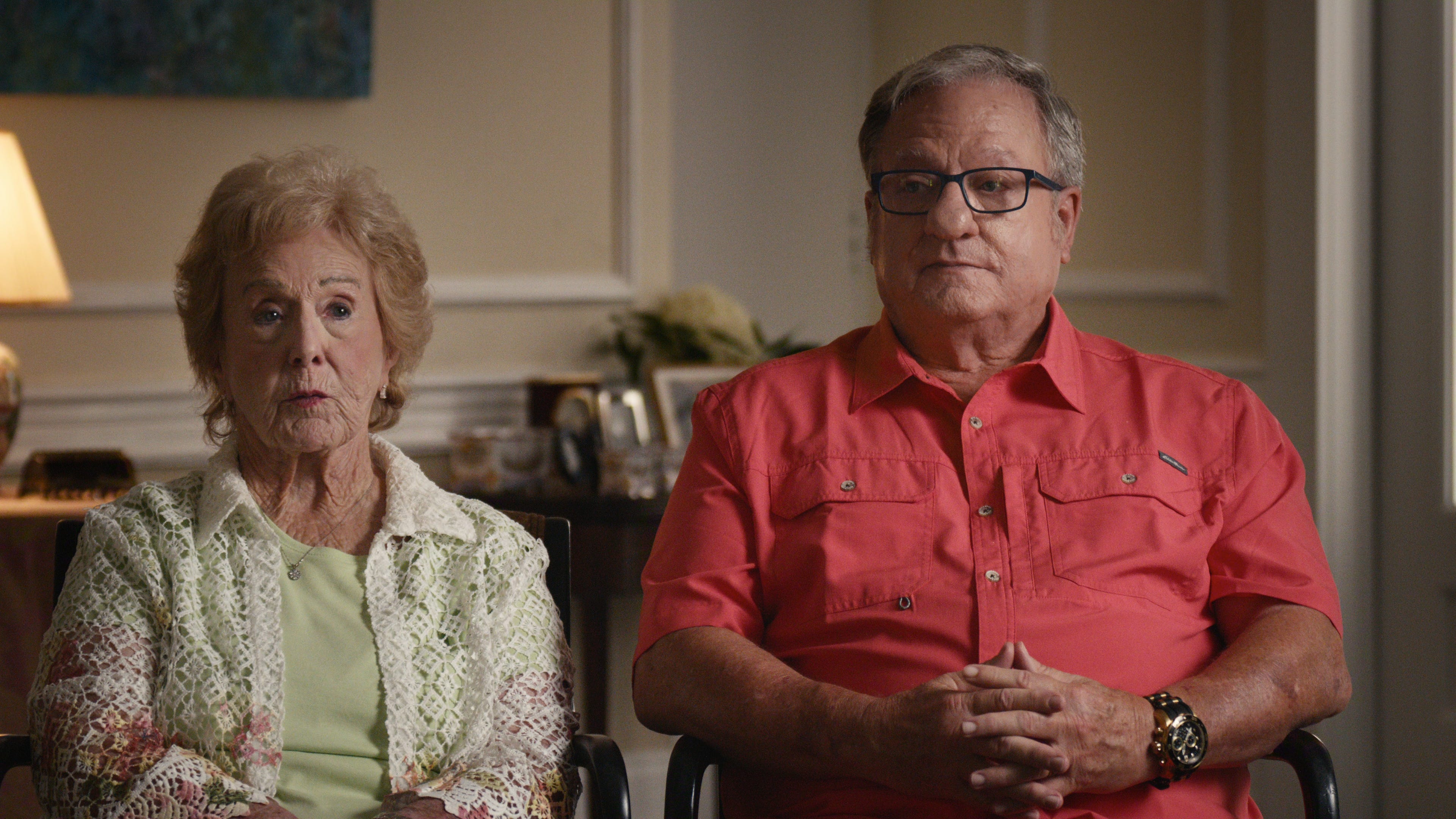
Then a number of whistleblowers started coming up to me saying, you know, not only have things not gotten better, they’ve gotten worse inside the plants. And they were all from different plants, but saying the same thing.
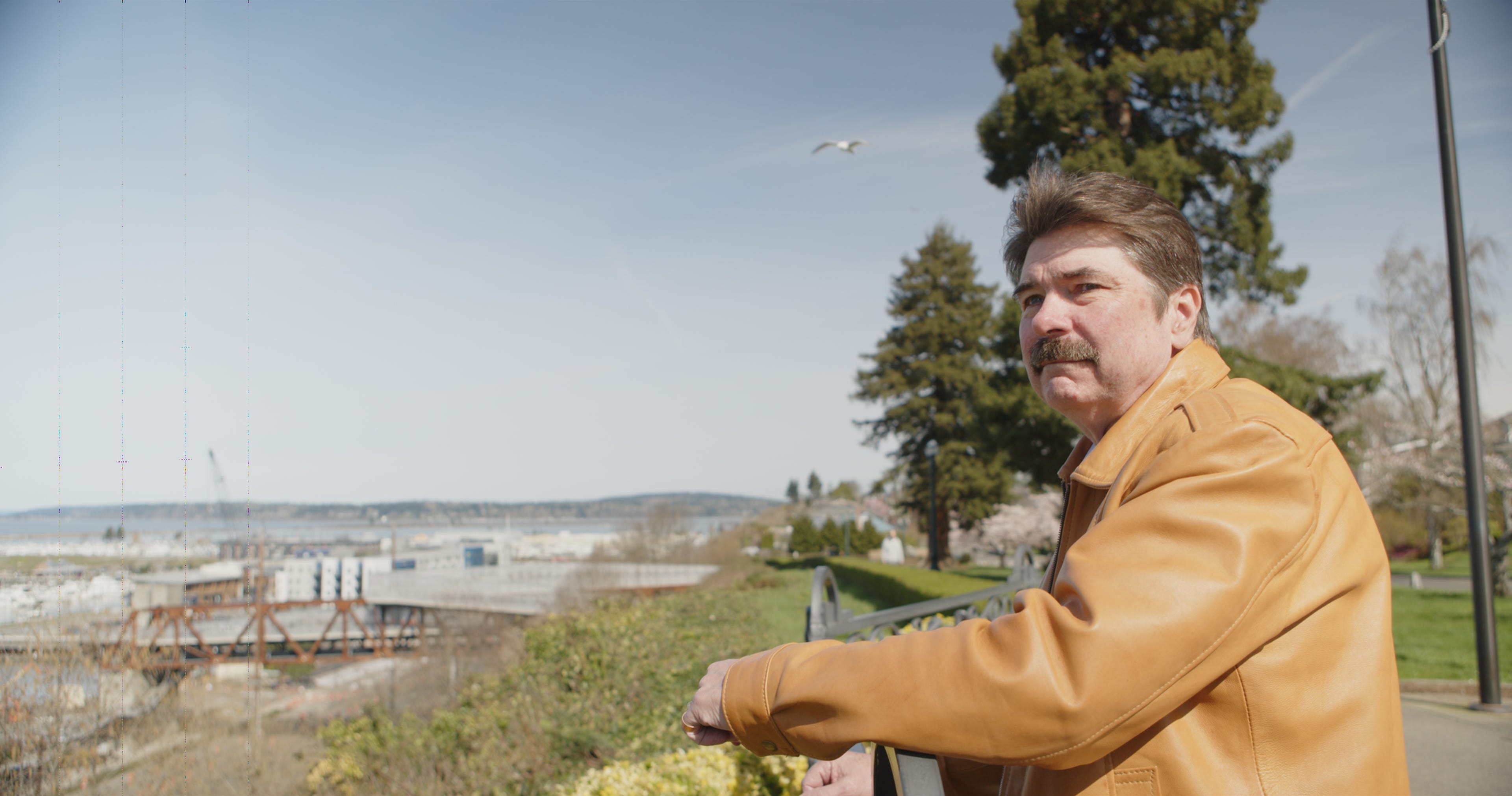
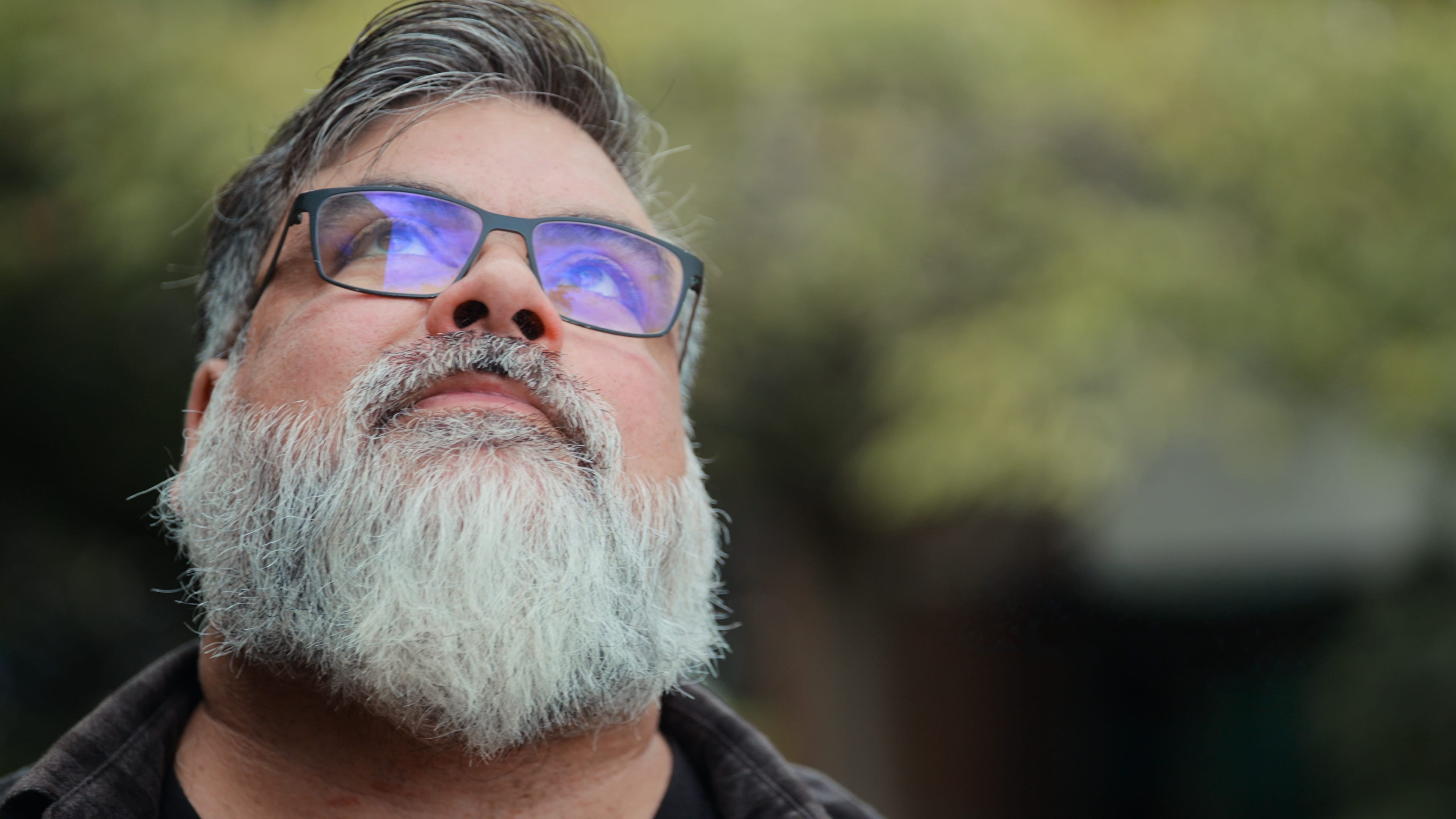
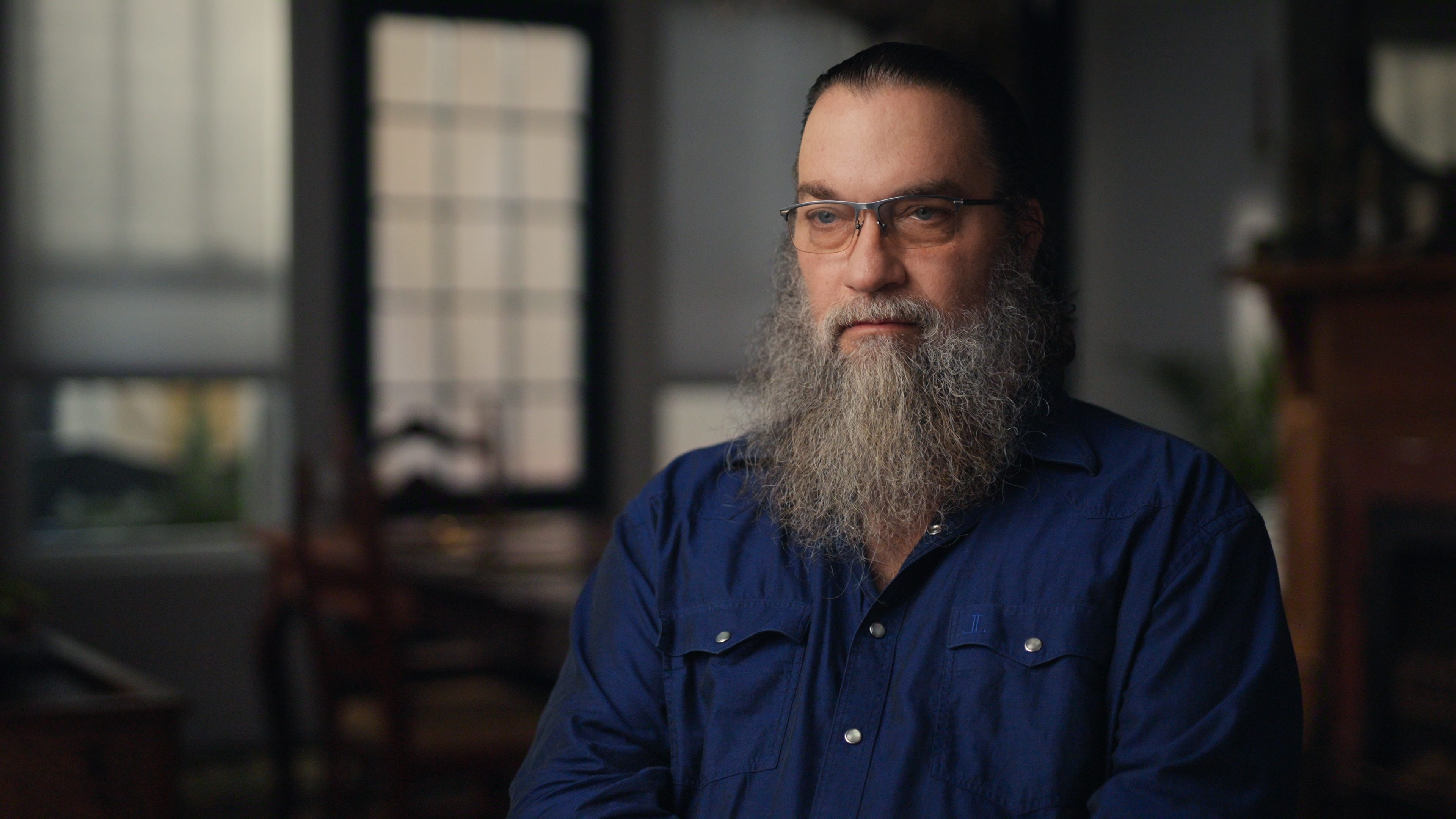
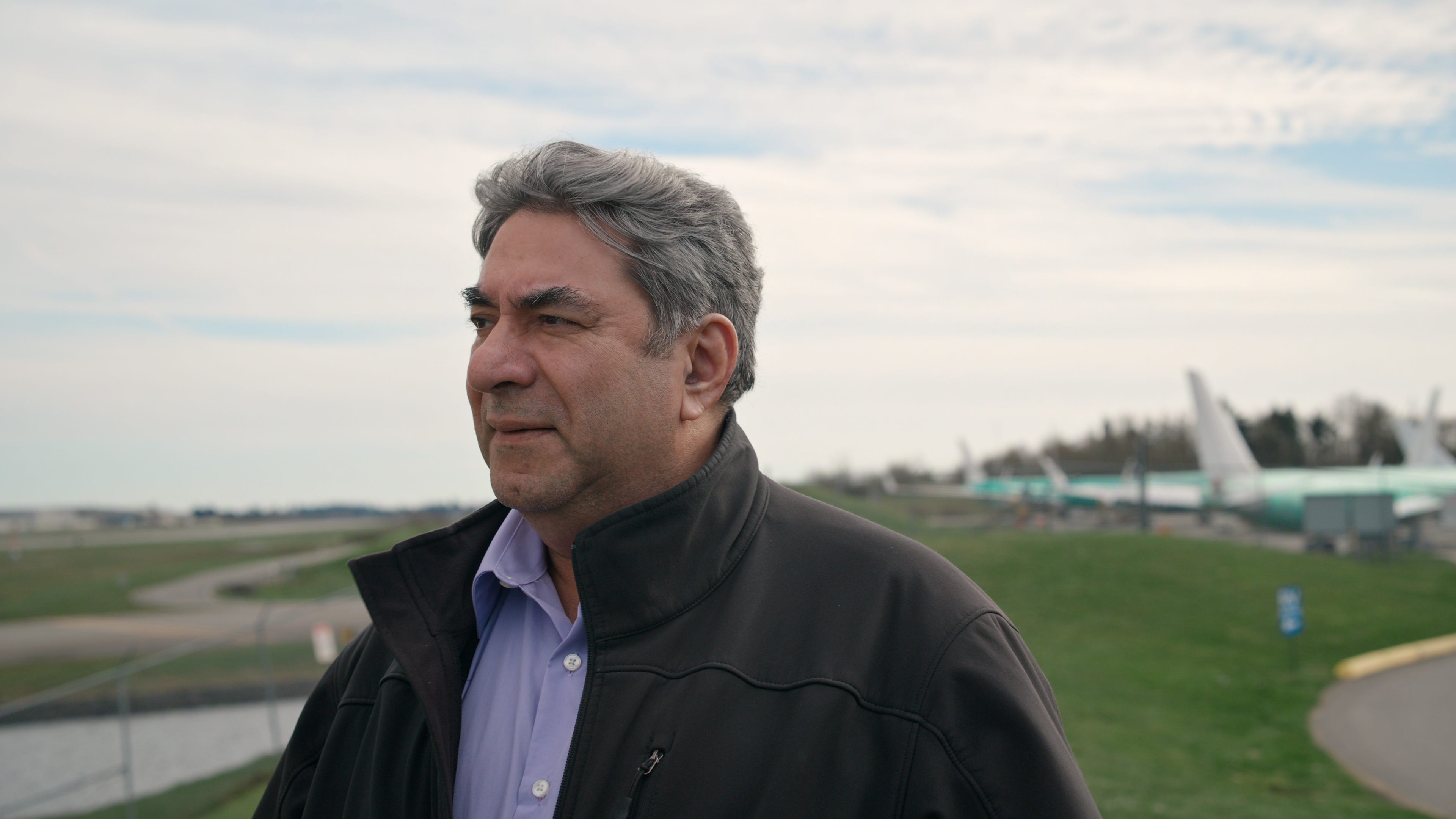
Downfall was really about this one plane and sort of all the mistakes that Boeing made in creating that one plane. But it became evident that it wasn’t just this one plane, that it’s much more widespread than that. It’s really about the culture of this corporation. And what they’re prioritizing and what they’re not prioritizing. I would say they’re prioritizing money and not prioritizing safety. So I felt compelled to go back and tell this story.
Vanessa: It’s a powerful investigative documentary, and we don’t have enough of those. And the way you manage to put together the full systemic picture of the leadership changes at the top of Boeing is so powerful, starting with W. James “Jim” McNerney Jr., who was a GE — Jack Welch — protégé (who served as Boeing’s chairman, president, and CEO from 2005 to 2015), to David L. Calhoun, (who became Boeing’s president and CEO in January 2020), whose testimony, when Senator Josh Hawley is confronting him — it’s so powerful.
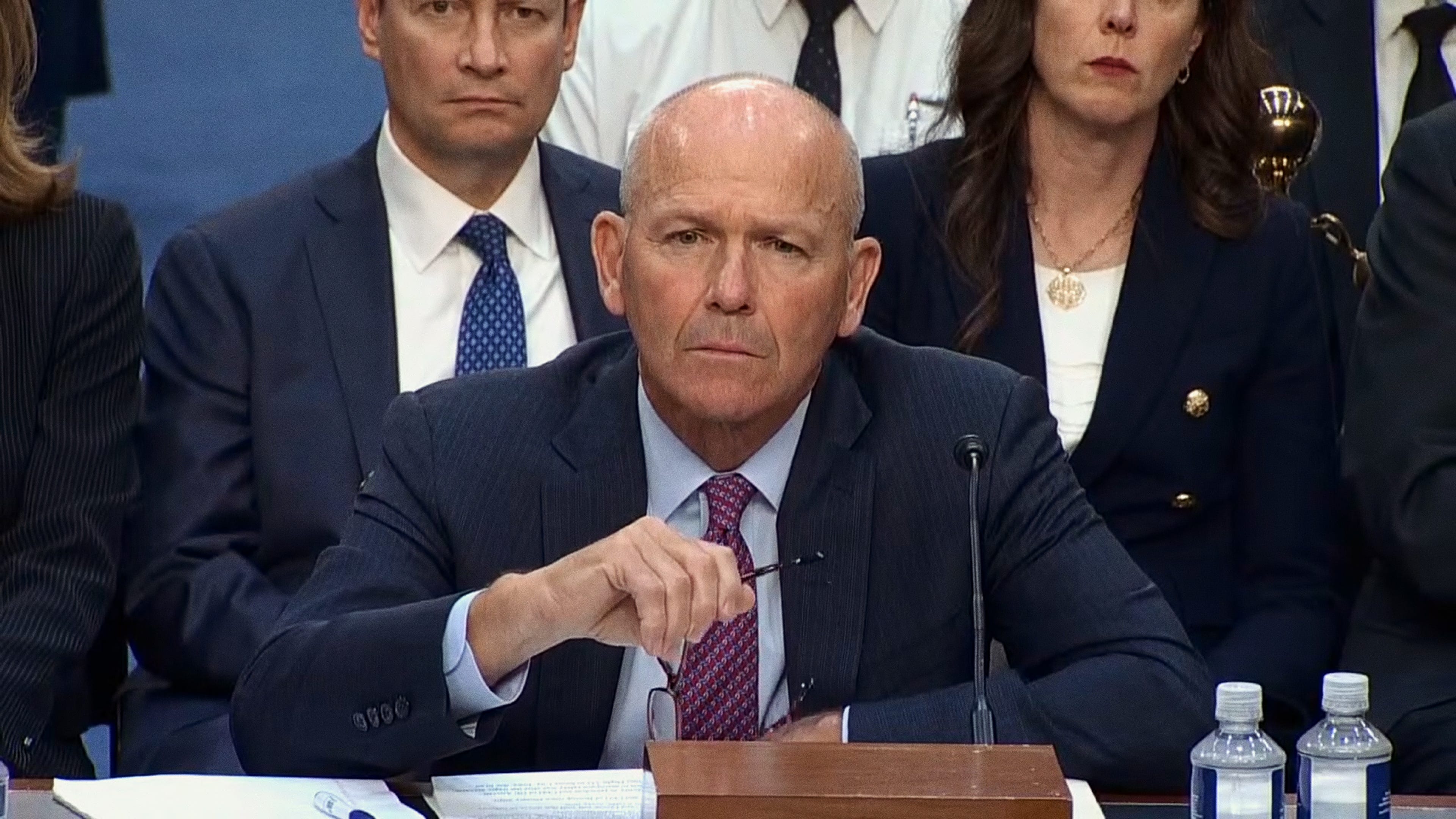
(Note: I’m referring to Calhoun’s June 18, 2024, sworn testimony before the Senate Homeland Security and Governmental Affairs Committee’s Permanent Subcommittee on Investigations. Senator Josh Hawley’s questioning is excellent—he confronts Calhoun about safety, quality, transparency, job cuts, and a compensation package of nearly $33 million. Calhoun is shaking and pressing back tears in defense of his personal interests, decisions and paycheck).
You bring the film to such a powerful climax because you’ve really been showing us this culture of profit over people, of cutting corners, of outsourcing, of deprioritizing expertise. And again, I just—it’s our whole country that is infused with this corporate culture, and you create the most powerful storytelling in this film. It’s not just about Boeing. It’s about America and the world.
But how did you do it? Because you put the pieces together in this way that builds. It’s a thriller. You’re with the families of the victims, you’re with the whistleblowers, and it’s profound.
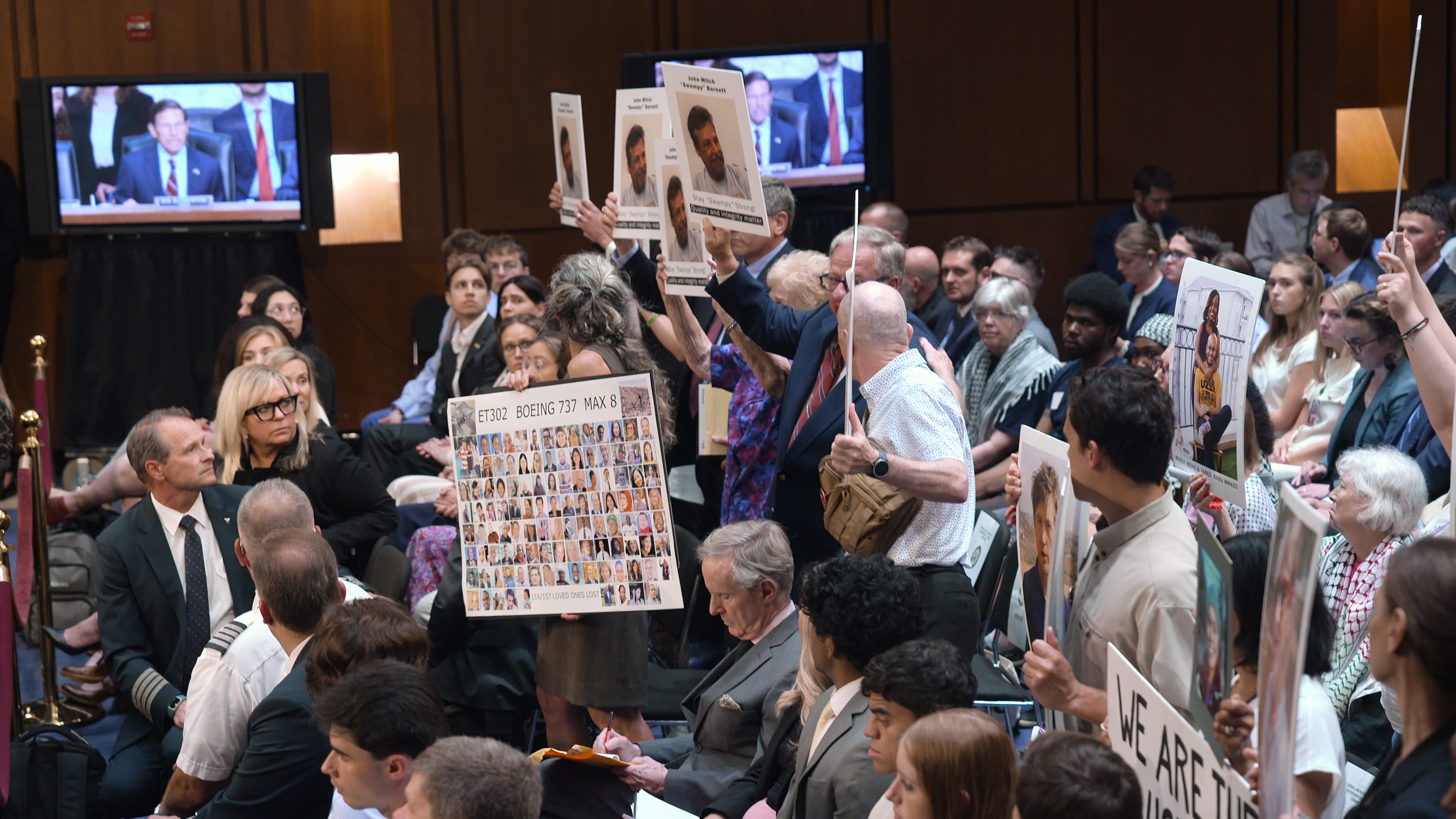
Rory: Well, thank you for saying all that. I really appreciate it. You know, it was a complicated story. I would say the thing that motivated me to make this film more than anything was John Barnett’s death.
You know, I immediately was in touch with his family. I was really crestfallen when he died. I felt like it was a huge loss, and really felt like he had committed his life in the last seven to ten years to helping us and the public know what was going on inside of Boeing. And he was doing it at great peril and risk to himself, because he felt so strongly that they were building airplanes that were not safe.
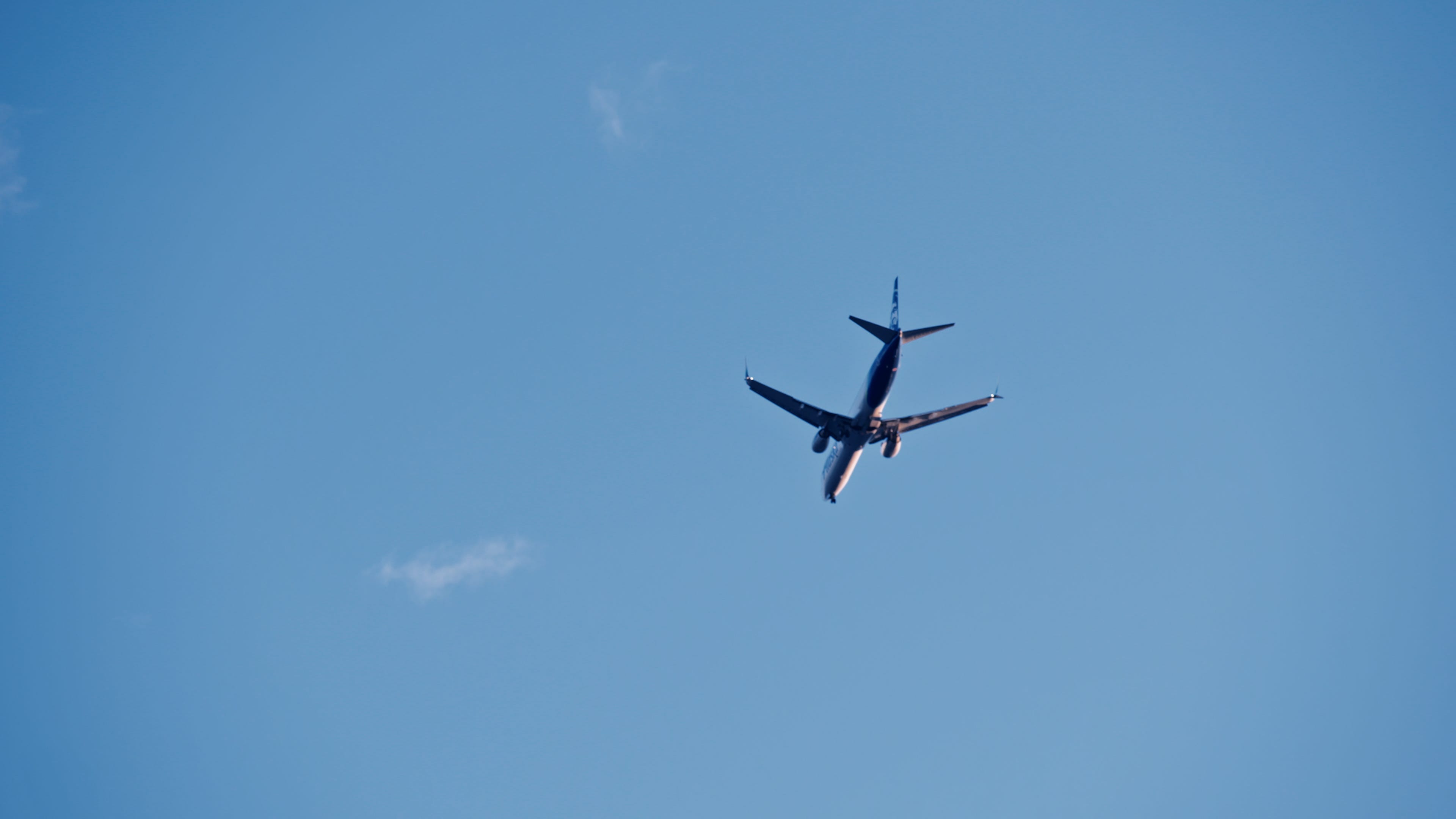
And he really felt like these airplanes were going to fall out of the sky, you know, with our families and our children and our friends and ourselves in the airplanes. And he just felt such a deep sense of responsibility.
And so it was really his story, and then all these other whistleblowers—some of whom had never spoken publicly before talking in our film—who were coming forward to me saying, “Please make this,” right? So that was the heart of the reason that I went back into this story.
And it was an important, I think, heartbeat to the way that we ended up telling the story, because there are a lot of narratives: the victims’ families, the CEOs, Boeing’s history, all of the mishaps that have happened over the last period of time.
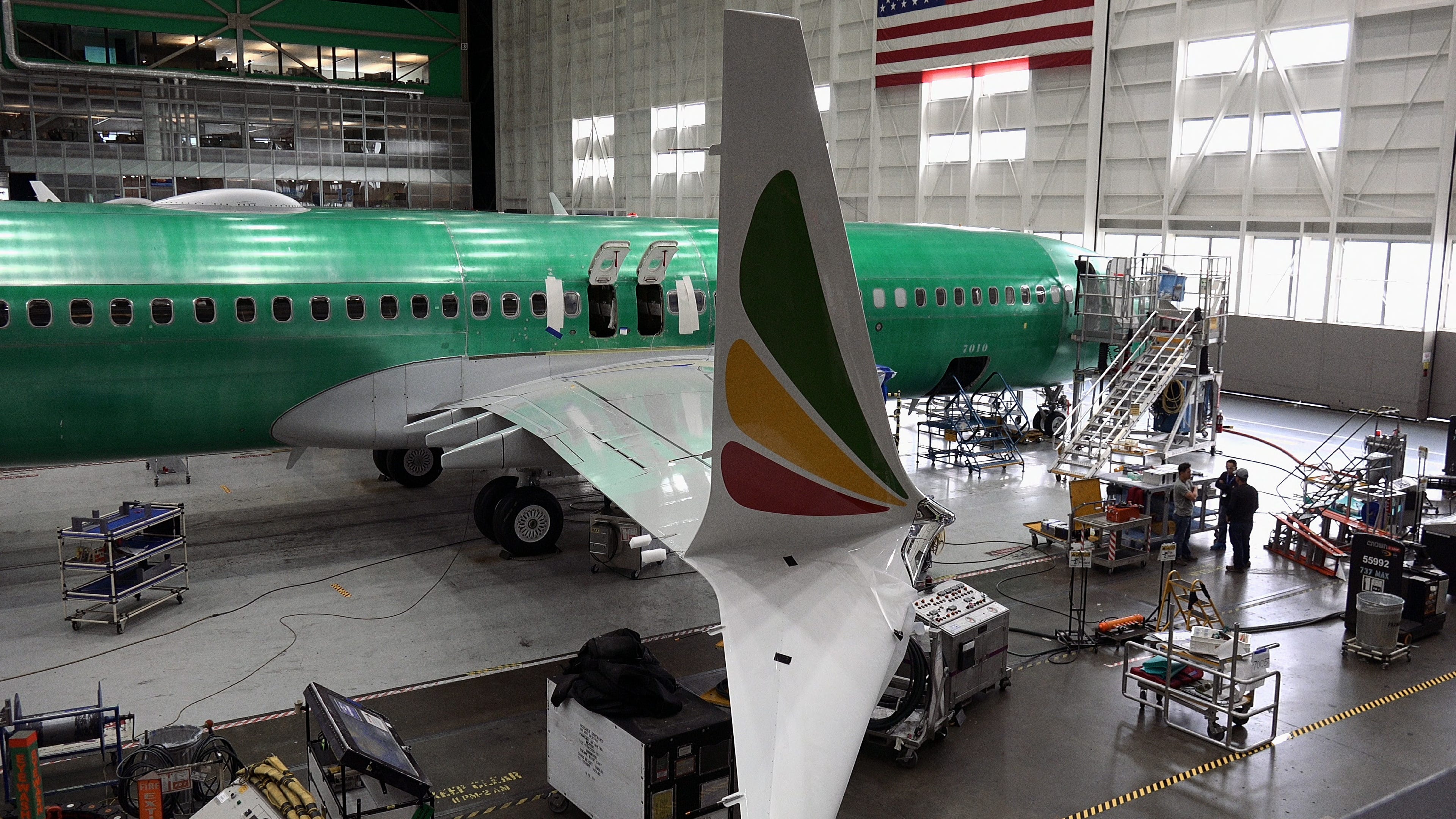
Is this sound okay?
Vanessa: Yeah, you sound good. Oh, you heard the airplane in my—yeah…
Rory: Yeah, yeah, heard it. So, the irony, the irony.
Anyway, so, I think that, you know, I just felt that that was kind of the core of the storyline and the heartbeat. And so we kept that as the throughline. And then, you know, weaving in these other stories—I mean, I’m not going to lie, it was a very hard film to make in the edit room.
And I had a fantastic team. Of course, my husband, Mark Bailey, who was the producer and writer and my partner in all of these films, played a huge role. And then we had two fantastic editors, Don Kleszy and Jesse Overman, who really helped shape it, and wonderful Keven McAlester, who also did Last Days in Vietnam with us and a number of other films.
So, you know, we had a really great group of people to help figure out this story, and the Netflix executives played a great role, too, and were really supportive. So it was definitely teamwork, but I think we landed on a story that I feel is really timely and important, and I hope is engaging.
Vanessa: It is. Yesterday, Matt Stoller, who writes about corporate culture and monopolies and mergers, was suggesting that David Ellison’s idea to move Paramount out of Los Angeles and Hollywood was a parallel to what Boeing did when they moved.
But, John Barnett’s presence in your film has such gravity, and you approach his story with a level of intimacy, but also journalistic care. What do you think happened to John Barnett?
Rory: Well, you know, the film really tracks his story in real time, in terms of both the aftermath of him dying and doing the investigation as to what happened. And also, because I had interviewed him, I had six hours of audio recordings of him, which is also a throughline of the film, where he really walks through what he witnessed and the concerns he had about Boeing.
And he actually kept records, which was unlike many whistleblowers who have to hand over their computers and everything when they’re often let go. But he managed to keep those, so we have documentation. And then we were also given exclusive access to his deposition, which is in the film and hadn’t been shared or seen before, which is also, I think, very, very powerful.
But once we started telling this story, we didn’t really know how the investigation was going to unfold. So that happens in real time. And I don’t necessarily want to give away what is revealed over the course of that.
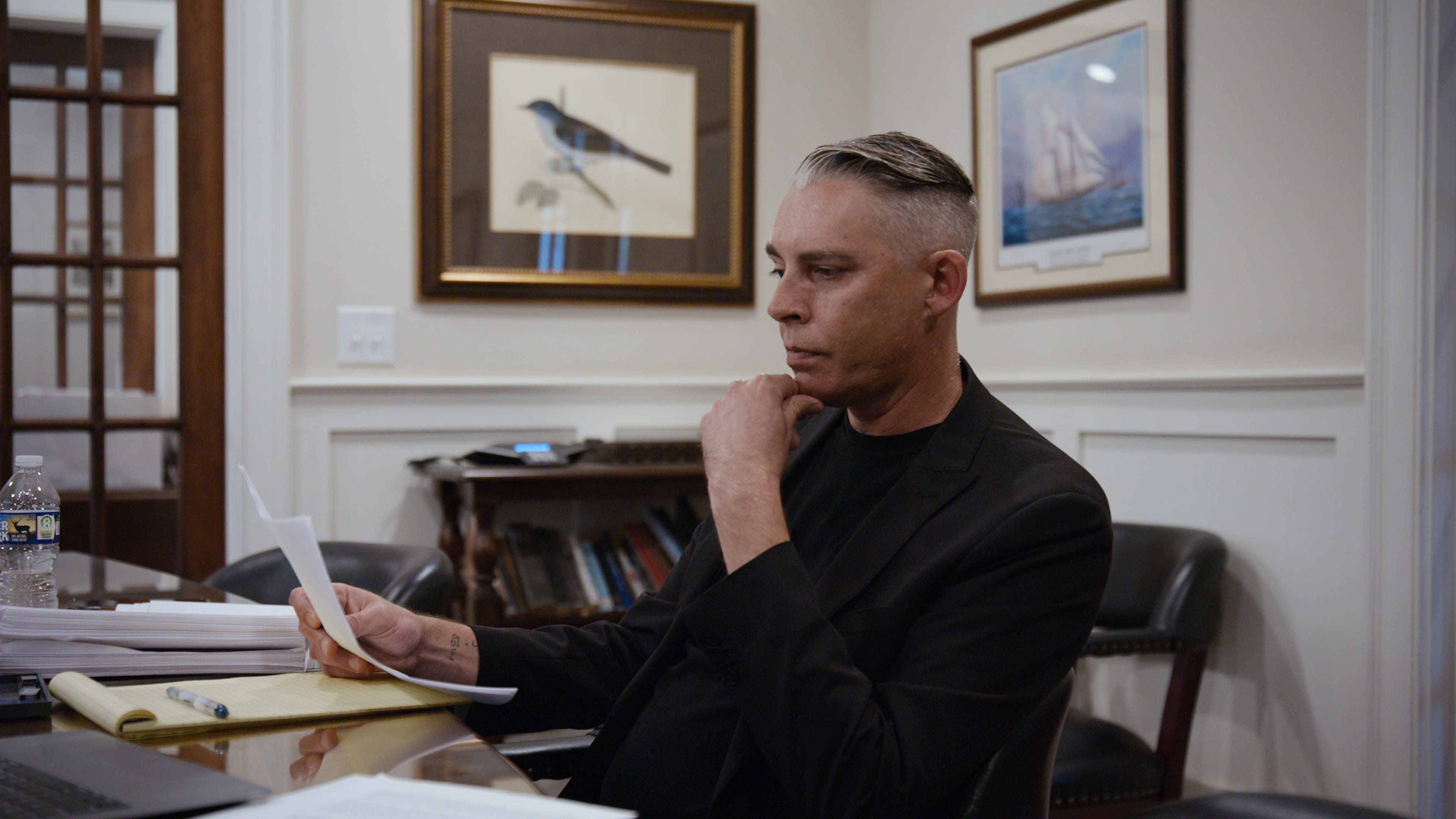
But I do think that what his lawyer says at the end of the film, which is something to the effect of, “Boeing may not have pulled the trigger, but Boeing was responsible for John Barnett’s death.” And I would leave it to audiences to come to their own conclusion as to what they feel about John and Boeing’s role in his very sad demise.
But I think, whatever your conclusion is, I think it’s pretty definitive that Boeing played a very significant role in terms of what happened to him.
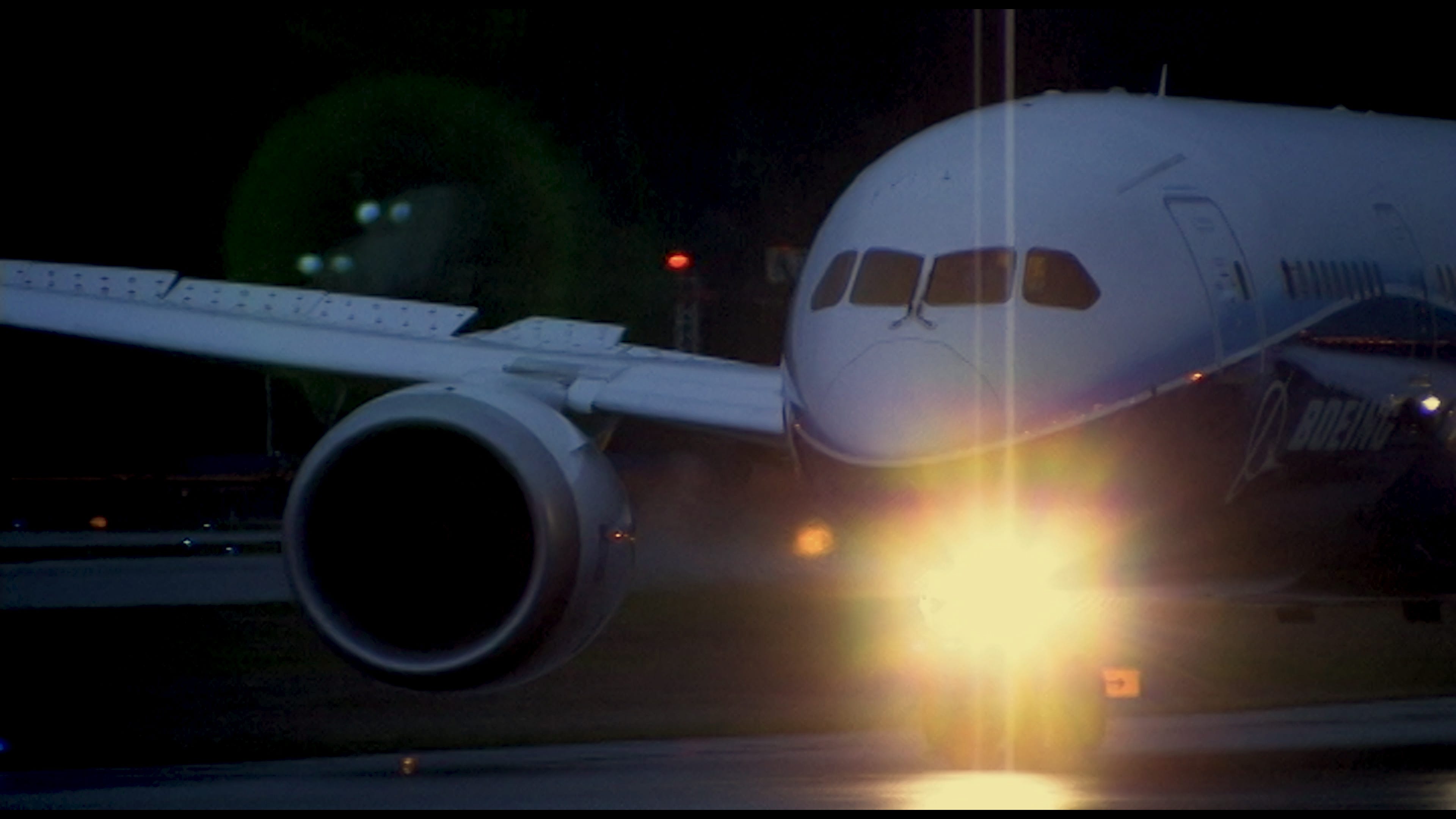
Vanessa: Exactly. And it’s a huge shift in the corporate culture over the last 20 years, because he had experienced the good that was there at Boeing, when they cared about safety—that these are life-and-death issues. Everyone is going to find themselves on a plane at some point or another.
And there’s nothing more horrifying than thinking you’ve trusted your life to some company that has decided that you matter less than corporate shareholder profit and CEO pay. And he speaks up about this, and then so many others come forward because of his bravery.
And you have the weight, also the moral authority, of the grieving families who still don’t have justice. How did you go about that storyline.
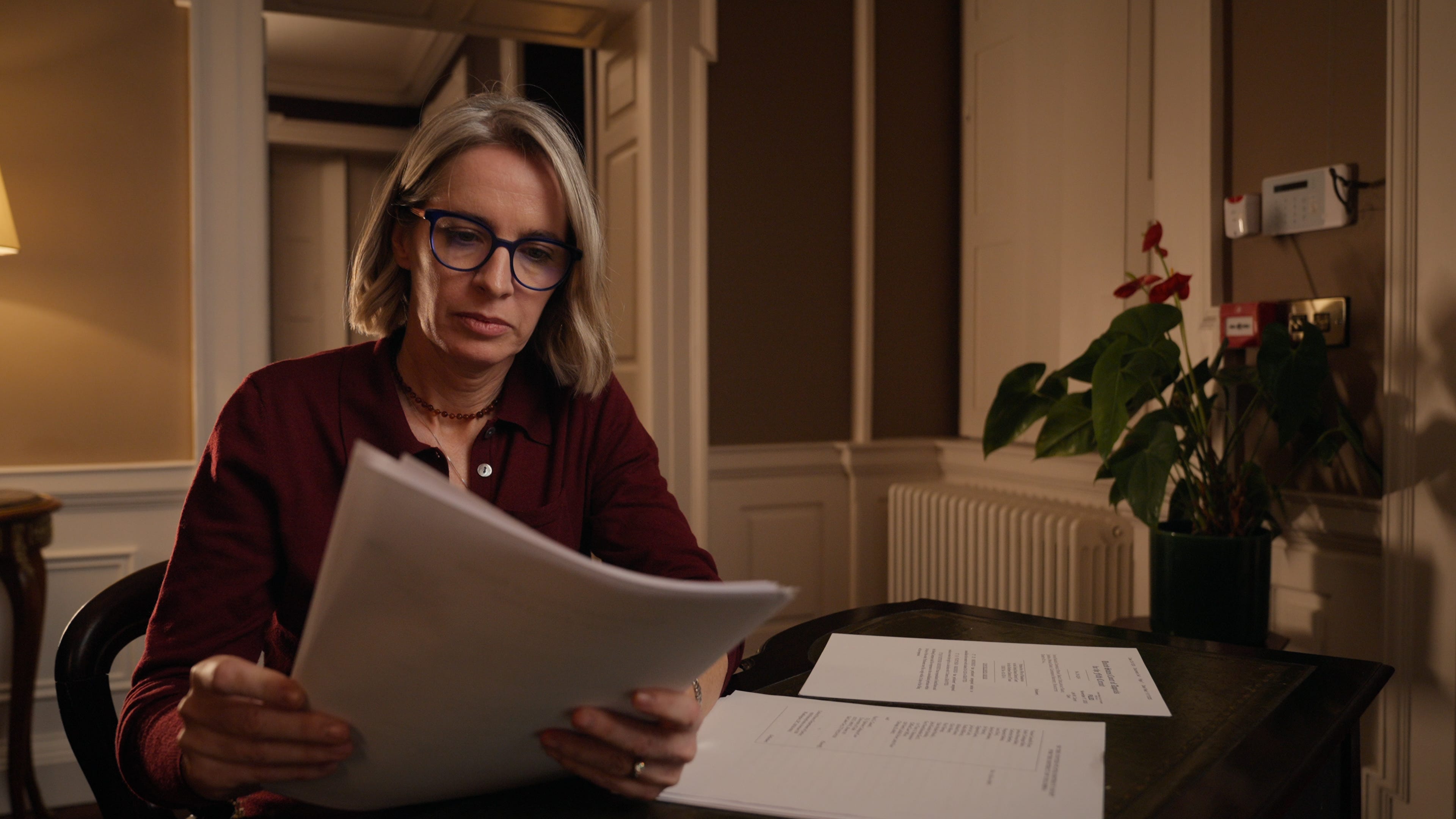
Rory: Well, first of all, thank you for saying all that. And I think you captured kind of the essence of their stories very, very well.
I mean, I think part of it is the humanity, the pure humanity of really not them just telling you what they’re going through, both the victims’ families as well as the whistleblowers, but you experience it. You’re on the journey with them, and you feel it and you see it. You’re an eyewitness to what they have to endure.
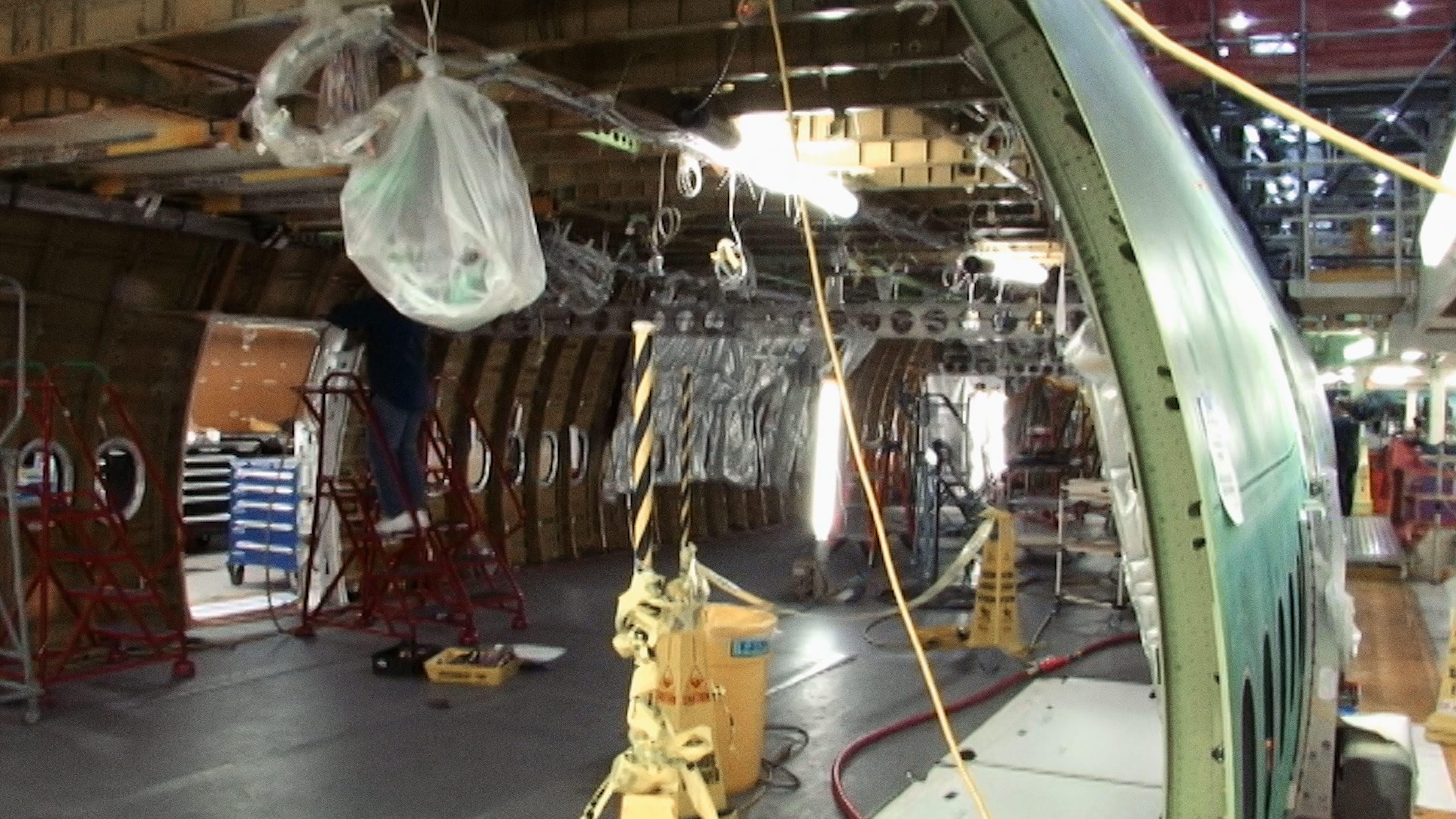
And then you see that in contrast to these Boeing CEOs. So you have these lives that have been destroyed, ostensibly, right, because people stand up and they’re like, “You’re using parts that have red markers saying ‘scrap parts.’ These parts don’t work.” And they’re putting them on airplanes that people are going in. And there’s hundreds of scrap parts that are unaccounted for, and they’re finding them on airplanes. And you’re seeing that.
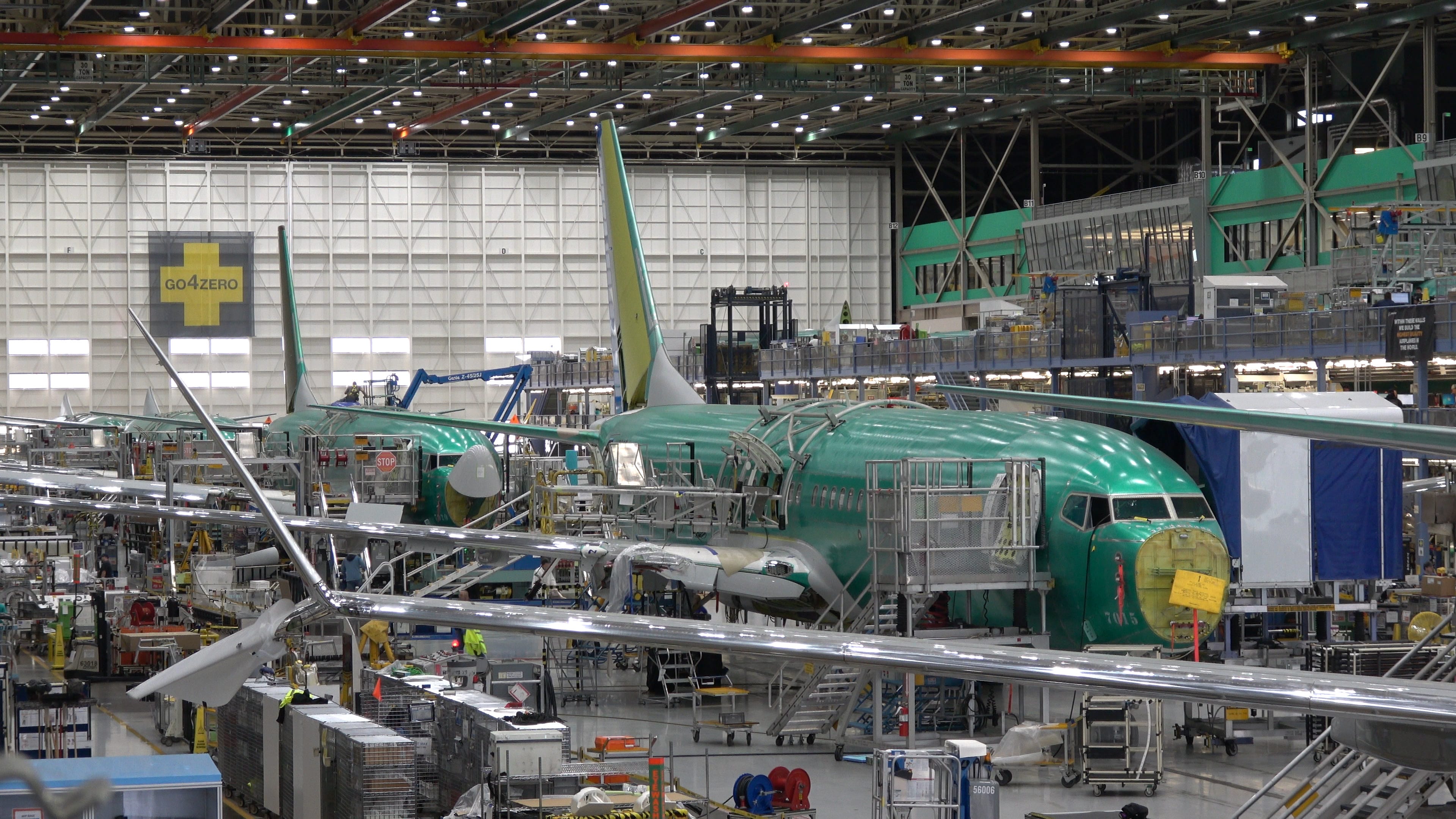
And then the whistleblowers complain about it, and they’re told to shut up. Or the scene in the film where you see the guy hammering with a sledgehammer a bolt to make it fit, to connect the landing gear to the airplane. And the bolt doesn’t fit, so he takes the sledgehammer to make it fit. You don’t want to be using a sledgehammer to make a bolt fit, to make landing gear work, like, on an airplane.
So you’re seeing all these moments, and you’re hearing their testimony. And all these whistleblowers are in plants all over the country, on different airplanes, and they’re all saying the same thing. And when they voice their concerns, they’re told to shut up. They’re often demoted, if not fired.
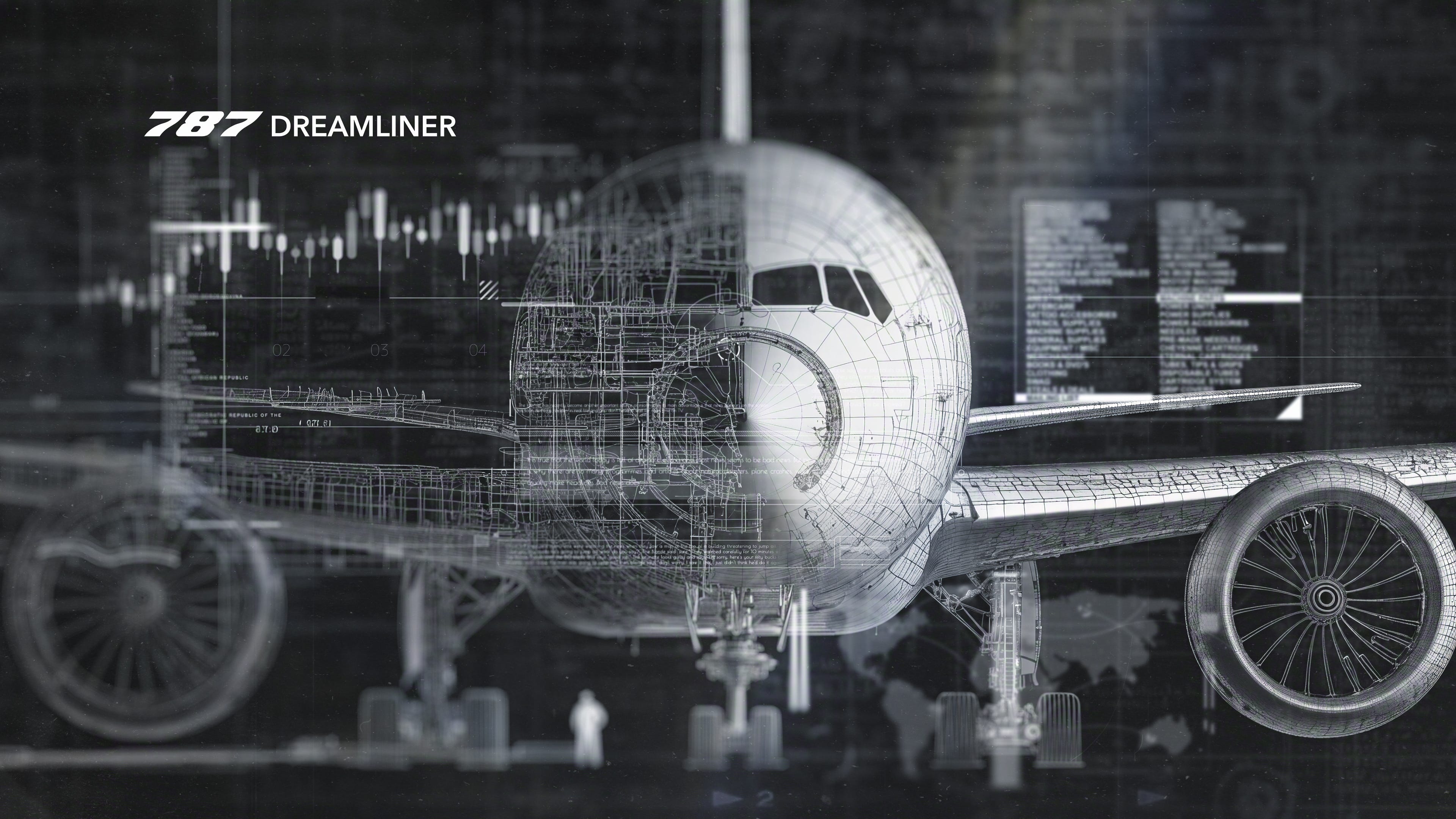
And their words are flying in the face of Boeing’s mission, which is to not slow down production. So when you say something’s wrong, it slows down production and costs Boeing money. So that’s conflict, and they don’t want to hear it.
And there’s these decisions that are made. And so you see those two things in contrast with each other. And just above and beyond that, kind of the lack of humanity.
I mean, just that moment in the film where we hear about Boeing’s lawyers, in the aftermath of the 737 MAX crashes, when 346 people died, arguing in court that the people on the plane who were on an airplane that’s going up and down, that they know is going to crash and they are going to die for six and a half minutes—they argue that those people didn’t suffer.
You know, it’s just—just don’t make that argument. Like, just don’t do it. The optics are horrible. The lack of humanity. You know those lawyers are going through a whole process to make any argument, and it’s all been vetted and approved. And you’re like, why? Where is your heart?
Vanessa: Yes. Yes. And it’s scary that your film shows there is a small, almost, moment of reckoning for Boeing, where they claim to have changed their corporate culture and made a website where you can file complaints and share information about safety concerns, because you’re talking to safety managers. These are people who don’t want sledgehammers jamming in a bolt for a landing mechanism that’s going to fail within years…months. I mean it’s not known how many of these planes out there are still a danger to human life and so this change in corporate culture seems just like a veneer because the same punishing response keeps happening.
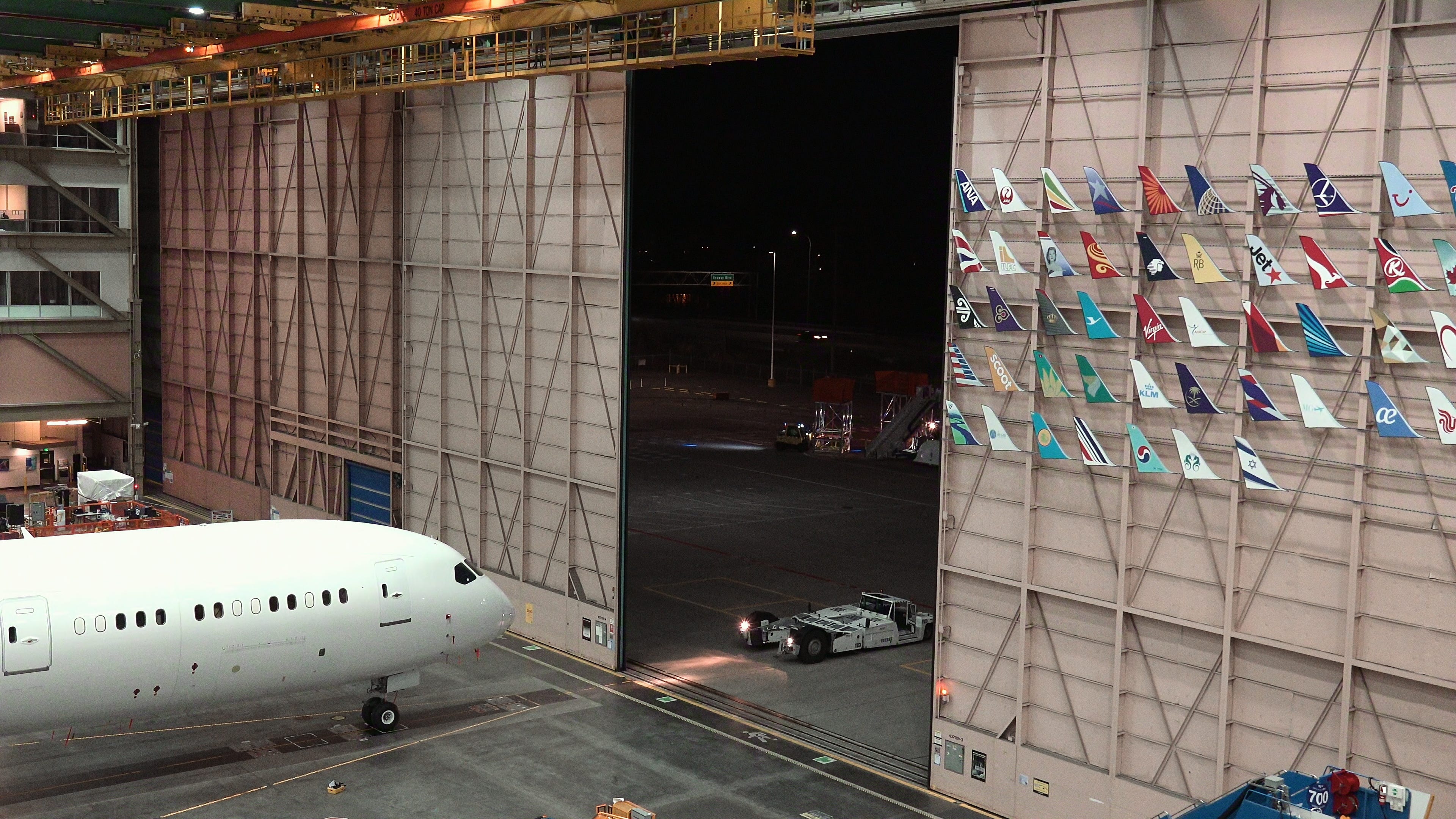
So, is there going to be a real reckoning for Boeing?
Rory: Well, I mean, just to that point, it’s interesting in the deposition—you know, John died two years ago, so this isn’t that long ago, right?—where, after they’ve said they’ve changed everything, you hear the lawyers pushing back when he’s talking about the oxygen masks not working on the airplanes.
And then she’s like, “Well, you didn’t really do a full study to prove that those oxygen masks didn’t work.” Fifteen percent of them didn’t work. And he said, “Well, in that instance, we didn’t. But because of that instance, then we did. And we did a much wider study and we found out that actually 25 percent of the oxygen masks don’t work.”
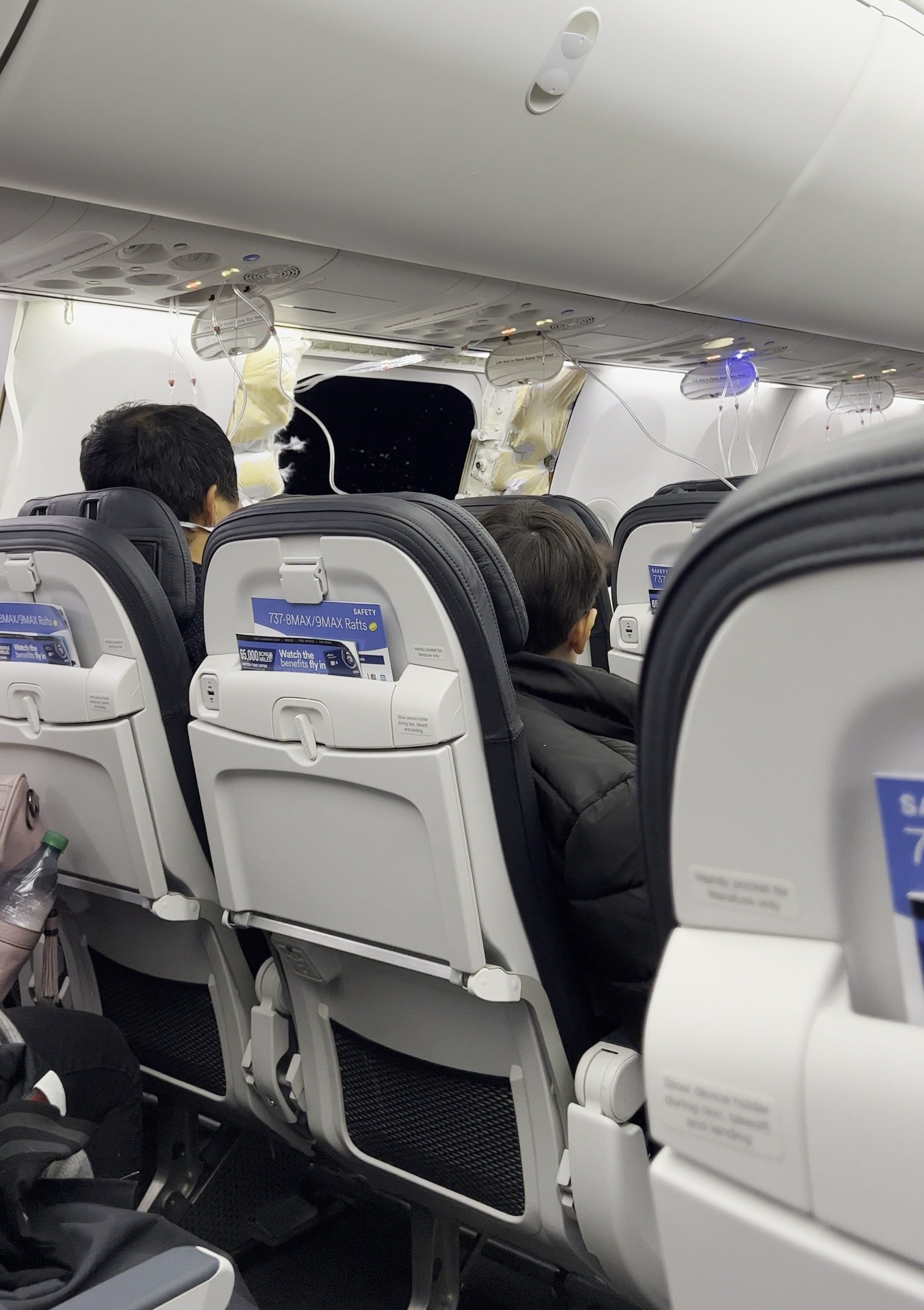
And then you cut to later in the film, you’re inside the Alaska airplane when the door blows out. Like, we have the footage from people’s iPhones, which is so powerful, in my mind—
Vanessa: So powerful.
Rory: —of being with them on that airplane and hearing their perspective and them talking to their kids, and then there’s this huge noise, a blowout, and they look to the left and it’s just open sky, you know? And then the oxygen masks come down and they don’t work.
Vanessa: They don’t work.
Rory: A huge number of them. And people are, like, grabbing their oxygen masks and then they can’t breathe.
Vanessa: Right, they’re texting their family, “I love you,” and, “I’m sorry, I have to say goodbye.” And they know that there can be brain damage, there can be ear and nose bleeding from the lack of oxygen and the fast depressurization and drop. I mean, it’s horrifying.
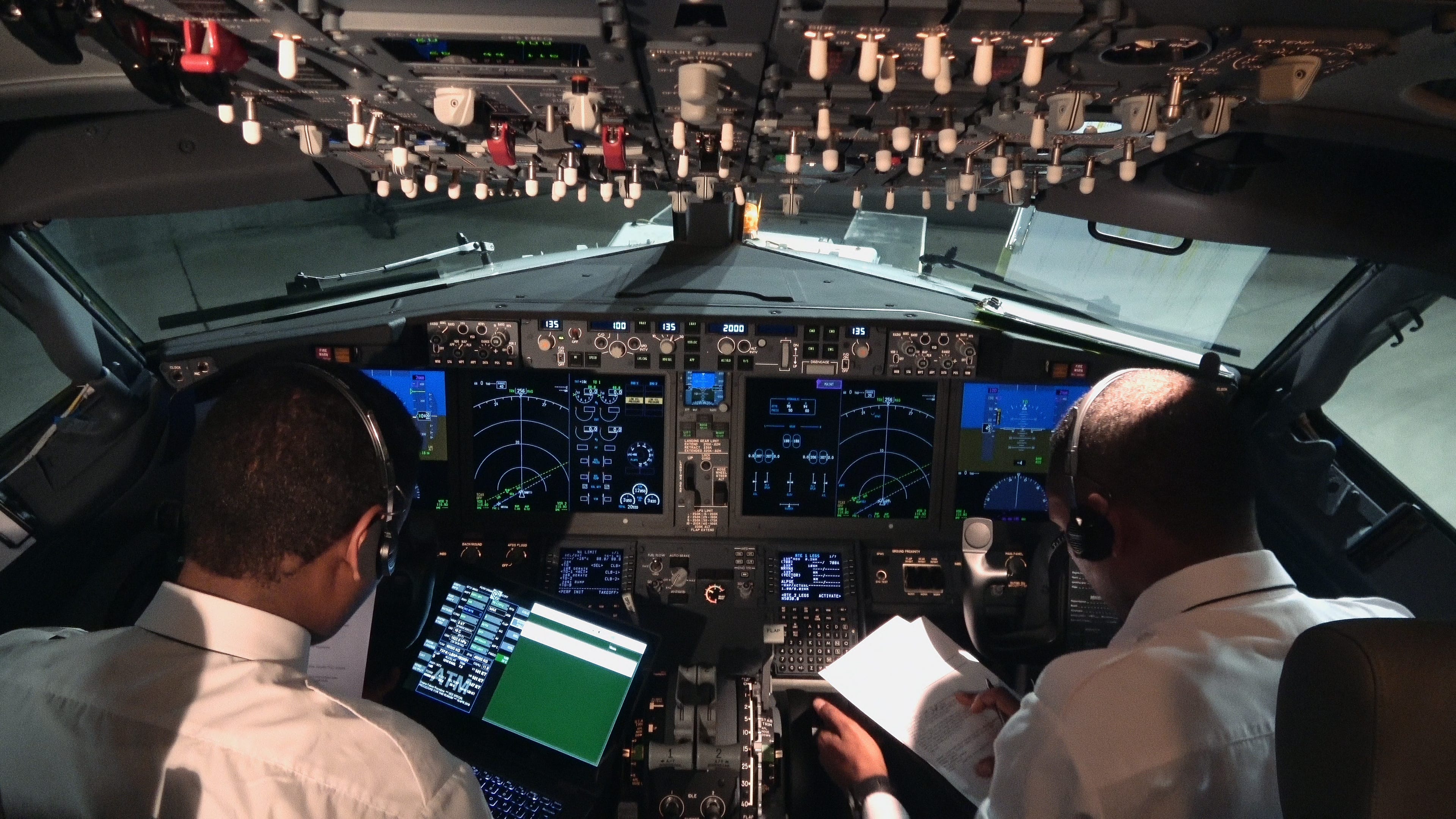
Rory: Yeah, that’s not a story that’s 20 years ago. This is all in real time. I mean, I would challenge Boeing to—you know, we should do like that scene from Erin Brockovich, which is, okay, why don’t all you executives go up on a random Boeing airplane at 30,000 feet and let’s turn off the oxygen and have those masks come down, and you guys all have to wear the masks. Let’s do that. See how many of them say yes to that.
Vanessa: Good idea. That’s a really good idea. I mean, otherwise they’re not really feeling the consequences.
The climax of your film is very powerful. Hawley’s grilling of Calhoun, who was one of the more recent—the second-to-last CEO, right?—that was powerful and sums it all up. And again, that idea that the CEOs are stripping Boeing for parts and making profit for themselves, it feels so much like what’s happening in our government, too, in our country.
Rory: Yeah. Yeah. Well, it’s interesting, that notion of kind of strip-mining companies. And if you look at sort of the history, most of the CEOs in the last many decades came out of GE, and GE has that history. Again, one of the great American companies that really focused on profit at the expense of everything else and, as a result, diminished.
And I think that’s part of the story of Boeing, is knowing that it had such an amazing history and really strived and achieved excellence. And there was that saying that people across the world knew, which is, “If it ain’t Boeing, I ain’t going.” And now people are like, “If it’s Boeing, I’m not going,” right?
So the shift—and this idea, which I think is something that we’re hearing about the U.S. government and other institutions—is that they’re only as good as the people who uphold them. And that we all have to do our job and our effort to hold these folks accountable. Because without that, things fall apart and the center cannot hold.
The film hopefully can contribute in some way, but it only is as contributory as people watching it and then deciding to do something about it. And whether that’s, “I’m going to really look at, how much in this election cycle—at least in this country, that’s coming up in the fall—what’s the position of the people I’m voting for on regulation? Are they going to regulate these companies? Are they going to hold them accountable? Do they have a history of that?” I think that’s a good question to be asking about the people who you’re going to vote for.
You know, JetBlue doesn’t fly Boeing. They fly Airbus. So you have other options. And the more you say to the airlines, “I’m not going to fly you. I’m not going to fly on these Boeing airplanes, so you guys better go to Airbus,” like, that hurts Boeing.
And so I do think there’s action items people can take to make a difference here.
Vanessa: And you show that, and you give us hope with the end of the film…But when Ted and I were watching, I turned to him and said, “Didn’t Trump get rid of the FAA, or at least defund it or something?” And he said, “I think he cut some of their budget.”
Rory: Well, yes, I mean, that is true. And the Department of Transportation—and the person who’s the head of the Department of Transportation—is, I think, a reality TV show star. So there’s a lot of questionable decisions made regarding this area.
So leading up to the 737 MAX crashes, the FAA had made a decision. There’s something called an airline worthiness directive, and it basically says that this plane is okay to fly.
So that’s always been, historically, the control of the FAA to decide whether an airplane is airworthy. So they had shifted that control to Boeing before the 737 MAX crashes. That was one of the things that they attributed to the reason that the 737 MAX crashed: that if the FAA was in there and looking at the airplane, they wouldn’t have allowed it to go up in the sky.
And so they had made that shift. They just shifted it back in July, last month, to give the power again to Boeing to decide itself whether an airplane is airworthy or not.
So it’s a little like, as they say, the fox guarding the henhouse. So that’s unfortunate.
And then there was another instance with the criminal case against Boeing, which I think would have done wonders if some of those Boeing executives who were responsible for killing 346 people—which is arguably one of the biggest corporate criminal cases in U.S. history—if one of them or many of them ended up going to prison, that would send a message, a very significant message, not just to Boeing, but across corporate America, which is: you’ve got to make decisions that are going to protect people or you’re going to go to prison, just like the rest of us, when we kill people, go to prison, right?
So Boeing had actually plead guilty under the previous administration to the criminal charges and said they were responsible. And then the new administration came in and said, “Actually, we don’t really need you to say that you’re guilty, and we’re going to withdraw the case.” And the Department of Justice withdrew the case, despite the judge’s objections and, of course, the families and many other people.
So there are significant shifts that happen depending on who is in control of the government, of the FAA, of these corporations. Really getting the right people in there is important and trickles down pretty quickly.
Vanessa: This film is a film everyone needs to see and understand what’s going on, and speak up and march and go to Washington. And you show the Department of Justice many times to remind us that it exists, but as you say, it’s about us holding people accountable and responsible for all of our lives and safety when they’re in charge of that.
Rory: And I would just add, this is, in my opinion, and I think for many, a bipartisan issue. And as you cited, Senator Hawley plays a significant role holding the CEOs of Boeing accountable. But we all fly. All people fly. So we should all be invested in ensuring that these airplanes are safe.
Vanessa: Yes, yes. It’s a tour de force, and I’m so grateful that you had a minute to talk about it. And everyone can see it on Netflix starting on the 19th.
Rory: For folks to check it out.
Vanessa: It’s in theaters right now. If you’re in New York City, you are so lucky: you can see it at the Paris and you can see it at the IFC Center.
Rory: Yes. I don’t know that it’s still at the Paris. It was there last week, but it’s definitely at IFC.
Vanessa: So, New Yorkers, go see it. Thank you so much, Rory. Thank you. This was really great.
Rory: Yes. And Vanessa, I have one more feature coming out imminently, so you’re going to have to put me back on for a third time.
Vanessa: Love it. This year? You have a third out this year?
Rory: The Trial of Alec Baldwin.
Vanessa: Yes, I was thinking about that one. I know you’ve been working on it.
Rory: Yeah.
Vanessa: Great. Okay. I look forward to seeing you again.
Rory: Okay.
Vanessa: Thank you, Rory.
Rory: All right. Take care.
Vanessa: You too.
Rory Kennedy (Director/Producer)
Rory Kennedy is an Academy Award–nominated, Primetime Emmy–winning documentary filmmaker who has directed and produced more than forty films. Her films have appeared across major platforms including Netflix, HBO, National Geographic, PBS, and Hulu.
Kennedy and her husband, Emmy-nominated writer and producer Mark Bailey, co-founded Moxie Films. Most recently, Kennedy directed and produced QUEEN OF CHESS, a feature documentary about Judit Polgár, the greatest female chess player in history. The film premiered at the 2026 Sundance Film Festival, Kennedy’s tenth documentary to debut there, and launched globally on Netflix on February 6.
Recent projects include the HBO documentary series THE SYNANON FIX (2024), examining the rise and transformation of the controversial addiction treatment organization, THE VOLCANO: RESCUE FROM WHAKAARI, a Netflix feature documentary about the deadly 2019 eruption of New Zealand’s Whakaari/White Island volcano that became the platform’s #1 film worldwide, and DOWNFALL: THE CASE AGAINST BOEING, a feature documentary investigating the two tragic Boeing 737-Max crashes which went on to break the Netflix Global Top 10.
Kennedy’s earlier work includes the Academy Award–nominated LAST DAYS IN VIETNAM, as well as HBO’s ETHEL, which received five Primetime Emmy nominations. In 2007, her HBO film GHOSTS OF ABU GHRAIB premiered at Sundance and went on to win a Primetime Emmy Award for Outstanding Nonfiction Special.
Kennedy has served two terms as a Governor of the Academy of Motion Picture Arts and Sciences.
FREEFALL: A RECKONING FOR BOEING
premiered globally August 19, 2026 on Netflix
REMAINING SHOWTIMES AT IFC CENTER
Thu Aug 20
10:35 amBuy Tickets
12:25 pmBuy Tickets
7:25 pmBuy Tickets
Absolutely Phenomenal Read - ‘Riveting ! Perhaps not recommended for ‘Fearful Flyers’ ?!? 🦎🏴☠️🎬