
Bring it to the audience as they want -- not just how they are used to.
Ten ways The People have changed how movies are released

Wow. This project has become a total bear. I’ve been building a list of all the innovations in distribution outside of the Studio system. My total list exceeds 100 now. They fall into four sections.
And then into seventeen categories (listed below with links to the published sections). I have published the first six already. I am sure no list is complete. I hope FilmStack makes further suggestions in the comments so we can build this out together.
The goal of this project is to INSPIRE us all to come up with new innovations. We can. Just like all those that did so before us, have now enabled us to stand on their shoulders. We have better tools than they did. We access to more knowledge.
Our cinema community has not done a great job at collecting institutional knowledge. We need to fix that.
You see me sharing here as best I can. I have shared my financier list. I built a list of what I think are the best micro-budget (<$300K) films I’ve seen in hopes that you might try your hand at one one day too. Really that’s what this newsletter is all about. Hoping I can help in the build of a better cinema ecosystem by sharing what I know. And that’s what I am doing now here with the list of The People’s (ie Non-Studio) Innovations To Film Distribution. Hoping to inspire.
I didn’t know of all these innovations I’ve been listing out. I had to dig in and do some research. I had to ask some friends. I also asked Chat GPT — but what a mess! Still so many errors. We still have to do the work ourselves. Oh well.
If you know of other examples of non-studio film distribution innovations we should consider, please put them in the comments below. Feel free to suggest other topics for exploration too!
Windowing Strategies, Regional Rollouts & Unconventional Theatrical Models Film Distribution Innovations Generated By THE PEOPLE.
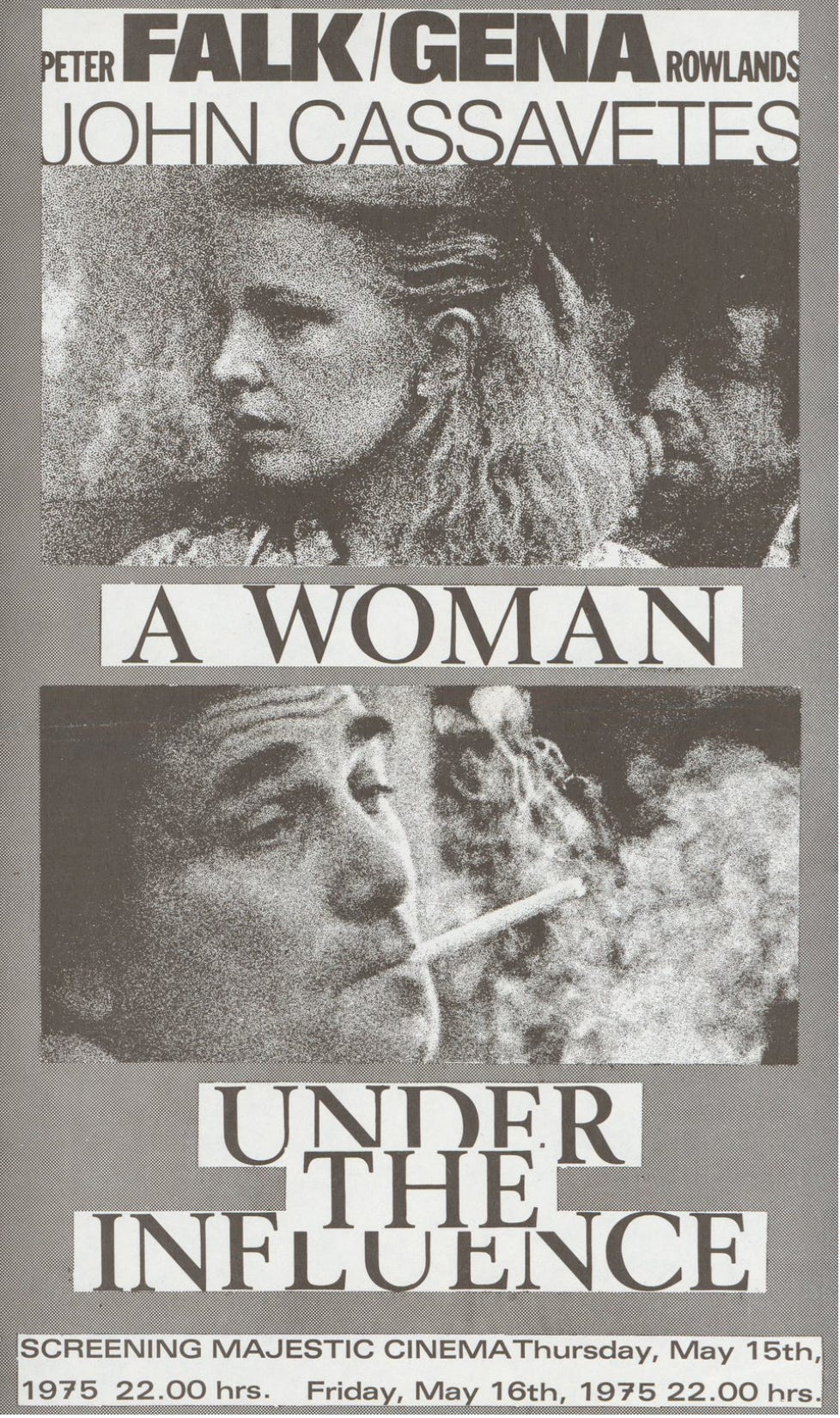
A Woman Under the Influence (1974) – John Cassavetes
Self-distributed via his own company, Faces International. Cassavetes created a slow-build theatrical strategy—booking single screens in select cities and letting word-of-mouth grow organically. AWUTF pioneered this windowing tactic before such terminology was even formalized.Trois (2000) – Directed by Rob Hardy; Written by Hardy, Will Packer, Will Power
Trois was a low-budget erotic thriller that pioneered a reverse-tier theatrical release strategy by opening first in Southern cities with large Black audiences, rather than starting in major coastal markets. It opened with the highest per-screen average in the U.S., eventually becoming one of the top 50 grossing films of 2000 and the highest-grossing Black indie that year. The campaign was backed by Bronner Brothers, one of the largest Black-owned haircare companies in the U.S., which promoted the film through its extensive salon and barbershop network—offering targeted reach and grassroots credibility. The success once again demonstrated the commercial power of underserved Black audiences and inspired filmmakers to pursue community-first release strategies.
Trembling Before G-d (2001) – Directed by Sandi DuBowski
DuBowski pioneered a targeted, community-activated release strategy, screening the film in religious institutions, LGBTQ+ spaces, and Jewish cultural centers globally. Rather than follow traditional theatrical rollout models, the campaign focused on thematic timing (e.g., Jewish holidays, pride months), venue nonconformity, and local engagement. The release model emphasized dialogue and healing, prefiguring impact-oriented windowing strategies that blurred the line between activism and distribution. These were community events. It helped set a template for identity-aligned theatrical campaigns that have since become more common in social issue and faith-based distribution, and that DuBowski is doing again with his film Sabbath Queen; read all about it on HFF:The Room (2003) – Directed, produced, and distributed by Tommy Wiseau
Initially self-financed and self-distributed, Wiseau booked The Room for a two-week run at Laemmle Theatres in a Los Angeles June ‘03 to qualify for Academy Award consideration, spending over $6,000 a month to keep the film playing. Wiseau also bought a billboard for the film that stayed up for over five years. Critics pannedThe Room but it gained a cult following through late-night screenings, word-of-mouth, and audience participation rituals—often encouraged by Wiseau himself through in-person appearances, merchandise, and marketing as "the Citizen Kane of bad movies." Over time, The Room became a global phenomenon with recurring midnight screenings and sellouts, becoming a model for how a failed theatrical release can be revived through unconventional windowing, regional targeting, and immersive, eventized audience engagement. The Room essentially re-invented “bad movies” as eventized, communal cinema experiences. If you’ve seen The Disaster Artist, you know the story.
Bubble (2005) – Directed by Steven Soderbergh

