
The Little Things That Would Make MY Life Better
There is no end to the Operational Improvements we can bring to life!

Little things matter. Fixing or improving little things matter a great deal. By making things work better, by removing the pain, or just making things feel more attractive or peaceful or in the right place, we prove that change is possible. Addressing little things give us the confidence that we can solve the big things.
Okay, you be wondering now, what is this? This may at first appear to not be about the FilmBiz or what was FKA The Film Biz or aka FKATFB, but it is aimed to that. This is about a process that I think delivers results. Sure, you can apply this process to your life in general, and I sincerely hope it improves that, but my goal here remains improving the culture and climate for ambitiously authored works of cinema in a sustainable and generative manner. That’s a mouthful, but it the goal, and now that is clear, let’s return to the matter at hand: Operational Improvements and why they matter so much. And then how doing them can make you movies better.
I personally feel that we can improve things on a daily basis. And then when we do precisely that, it is exhilarating and our capacity to improve things improves too. It is a virtuous cycle, a flywheel. One of the reasons I wanted to work at Amazon was that this was part of their published “philosophy” and I had found it on my own long before; there were actually a couple such things like that, but I will no doubt raise that later.
Nonetheless, when I tried to get my team to adopt a #OpImp mission of each and everyone finding an Operational Improvement weekly if not daily, it did not go over particularly well. It was said that I was raising a bar too high, even though that too was an Amazon “philosophy”. And me, I thought the whole thing was fun. But it was just another personal mission I could not expand beyond my own personal realm. Nowadays I just say, on my personal planet, everyone would pursue daily #OpImps to lift everything towards Utopia. Ha!
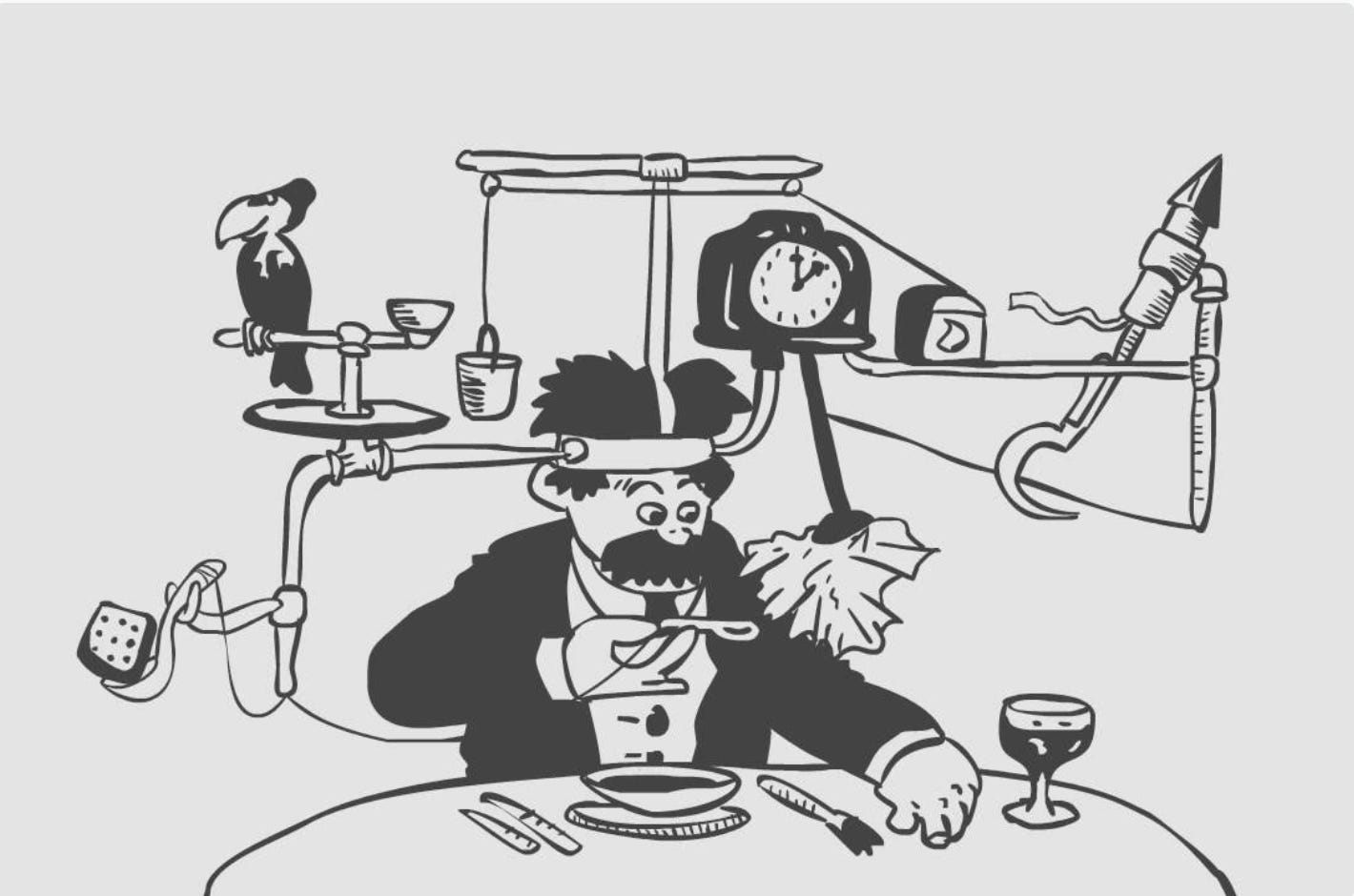
So what are some of my recent #OpImps? So nice of you to ask. I will show you mine if you show me yours. That is after all how this sort of thing works best. It is a group learning process, and by repetition we build instinct. Let’s keep offering #OpImps to each other and everything will get better. It makes me giddy to think I could look at this list next year and think “I can’t believe that we hadn’t made that part of our routine/process back then.
So off the top of my head, here are
10+ #OpImps we should all do right now
Updated 3/1/2026
Never just call. Set a call. Text if it is okay to call. Who has time for random calls? Just text “Got a minute to catch up?” And we should recognize that for some calls can be totally triggering, as when we don’t expect them, we frequently think they bring bad news.
On my personal planet, if someone emailed about work on the weekend or days off, they'd say something like this: "My apologies for emailing about work on the weekend, but as ... (this must be addressed on next business day) I don't see how it could be avoided." Which is the long way of saying, we should all do our absolute best not to email our collaborators on weekends or days off about work. We need to set better boundaries to help reduce burnout, and that’s a two way street. Many email programs have the ability to schedule sending an email so why not set it to go Monday instead?
When we spot a problem, we should do our best to provide a Recommended Course of Action (RCA). This is also, or at least was, an Amazon thing. We should of course try to make an appropriate RCA but even the wrong one is better than none. The more RCAs we hear, the easier we will be able to recognize what a correct one looks like. The more RCAs we hear, the quicker we will become to suggest ones ourselves. Offering RCAs will lead us to solve problems well quicker. How awesome would that be?
